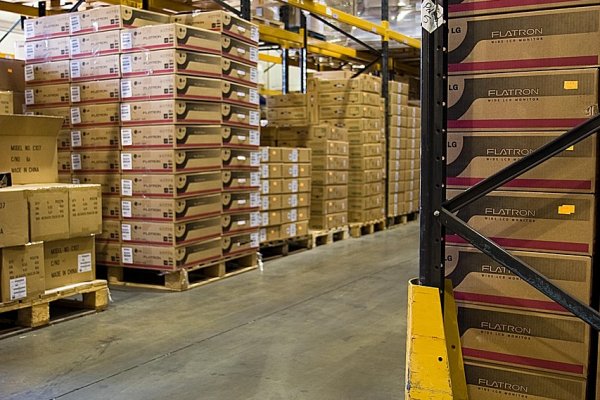
The Digital Transformation of Manufacturing Operations
The manufacturing industry stands at a critical juncture where traditional methods meet cutting-edge technology. As global competition intensifies and customer expectations evolve, manufacturers must adapt or risk obsolescence. At the heart of this transformation lies a sophisticated ecosystem of technologies including Warehouse Management System (WMS) software, advanced inventory management techniques, streamlined haulier coordination, and precise barcode scanning systems.
Today's manufacturing facilities are no longer simple production floors—they are complex, interconnected operations where every component, raw material, and finished product must be tracked, managed, and optimized. The integration of these technologies has become not just beneficial but essential for survival in an increasingly demanding marketplace.
Understanding WMS Software in Manufacturing Environments
Warehouse Management System software represents the central nervous system of modern manufacturing logistics. Unlike generic inventory tools, WMS software is specifically designed to handle the complexities of warehouse operations, from receiving raw materials to shipping finished products.
Core Functions of Manufacturing WMS
A robust WMS solution delivers several critical capabilities that transform warehouse operations:
- Real-time inventory visibility: Know exactly what you have, where it is, and its status at any given moment
- Automated putaway and picking: Optimize storage locations and retrieval routes to minimize time and labor
- Order fulfillment optimization: Prioritize and batch orders for maximum efficiency
- Labor management: Track productivity, assign tasks intelligently, and identify bottlenecks
- Integration capabilities: Seamlessly connect with ERP systems, transportation management, and production planning tools
- Compliance and traceability: Maintain detailed records for regulatory requirements and quality control
The implementation of WMS software typically results in 20-30% improvements in warehouse productivity and significant reductions in operational errors. For manufacturers dealing with thousands of SKUs, multiple production lines, and just-in-time delivery requirements, these improvements translate directly to competitive advantage.
Choosing the Right WMS for Your Manufacturing Operation
Not all WMS solutions are created equal. Manufacturers should evaluate systems based on their specific needs, considering factors such as scalability, industry-specific features, ease of integration with existing systems, and vendor support. Cloud-based WMS solutions have gained popularity due to their flexibility, lower upfront costs, and accessibility from multiple locations.
Advanced Inventory Management: The Foundation of Manufacturing Success
Inventory management in manufacturing extends far beyond simply counting items on shelves. It encompasses the entire lifecycle of materials and products, from procurement through production to final delivery. Effective inventory management balances the competing demands of minimizing holding costs while ensuring materials are always available when needed.
Strategic Inventory Management Approaches
Modern manufacturers employ several sophisticated inventory management strategies:
- Just-in-Time (JIT): Minimizing inventory by synchronizing material arrival with production schedules
- ABC Analysis: Categorizing inventory by value and importance to focus management attention appropriately
- Safety Stock Optimization: Calculating appropriate buffer levels to prevent stockouts without excessive holding
- Demand Forecasting: Using historical data and predictive analytics to anticipate future requirements
- Cycle Counting: Continuous verification of inventory accuracy without disruptive full physical inventories
The Cost of Poor Inventory Management
Inadequate inventory management creates a cascade of problems for manufacturers. Stockouts halt production lines, idling expensive equipment and labor. Conversely, excess inventory ties up capital, consumes valuable warehouse space, and risks obsolescence. Industry studies suggest that companies lose an average of 8-10% of annual revenue due to poor inventory management practices.
Furthermore, inaccurate inventory data leads to poor decision-making throughout the organization, from purchasing to production planning to customer service. When inventory records don't reflect reality, every downstream process suffers.
Barcode Scanning: Precision and Speed in Data Capture
Barcode scanning technology serves as the primary interface between the physical and digital worlds in manufacturing operations. This seemingly simple technology has revolutionized how manufacturers track materials, components, and finished goods throughout their facilities.
Benefits of Barcode Implementation
The advantages of comprehensive barcode scanning systems include:
- Accuracy: Barcode scanning typically achieves 99.9% accuracy compared to 90-95% for manual data entry
- Speed: Scanning operations take seconds compared to minutes for manual recording
- Traceability: Complete tracking of items through every stage of production and movement
- Cost reduction: Fewer errors mean less waste, fewer returns, and reduced labor costs
- Compliance: Automated record-keeping simplifies regulatory reporting and audits
Types of Barcode Technologies in Manufacturing
Different barcode technologies serve different manufacturing needs. Traditional 1D barcodes work well for basic item identification, while 2D barcodes like QR codes can store significantly more information including batch numbers, expiration dates, and serial numbers. RFID technology, though more expensive, enables scanning without line-of-sight and can read multiple items simultaneously.
Modern mobile computers and scanning devices integrate seamlessly with WMS software, providing workers with real-time information and task guidance directly on handheld devices. This integration eliminates paper-based processes and ensures data accuracy across all systems.
Haulier Coordination: The Critical Link in the Supply Chain
Even the most efficient manufacturing and warehousing operations depend on effective coordination with hauliers—the transportation providers who move materials in and finished products out. Poor haulier management creates bottlenecks that undermine all other efficiency gains.
Challenges in Haulier Management
Manufacturers face several common challenges when coordinating with hauliers:
- Unpredictable arrival times causing dock congestion and waiting
- Incomplete or inaccurate advance shipping notices
- Documentation errors leading to receiving delays
- Poor communication regarding delays or changes
- Difficulty tracking shipments in transit
Technology Solutions for Haulier Coordination
Advanced WMS software now includes features specifically designed to improve haulier coordination. Dock scheduling systems allow carriers to book specific appointment times, eliminating wait times and ensuring adequate receiving resources are available. Real-time visibility platforms track shipments from origin to destination, providing early warning of delays.
Some manufacturers have implemented vendor-managed inventory programs where suppliers maintain ownership of materials until they're consumed in production. This approach transfers inventory holding costs and management burden while ensuring material availability.
Integrating Technologies for Maximum Impact
The true power of modern manufacturing logistics emerges when these technologies work together as an integrated ecosystem. WMS software serves as the central platform, receiving barcode scan data to maintain accurate inventory records, coordinating with hauliers through automated scheduling and tracking systems, and providing the visibility needed for effective inventory management decisions.
Building an Integrated System
Successful integration requires careful planning and execution:
- Assessment: Evaluate current processes, identify pain points, and establish clear objectives
- System Selection: Choose technologies that work together and align with your specific requirements
- Phased Implementation: Roll out changes systematically to minimize disruption and allow for learning
- Training: Ensure all users understand new systems and processes thoroughly
- Continuous Improvement: Monitor performance, gather feedback, and refine operations ongoing
The Future of Manufacturing Logistics
As technology continues advancing, manufacturers can expect even more sophisticated capabilities. Artificial intelligence and machine learning will enable predictive maintenance, autonomous inventory optimization, and intelligent demand forecasting. Internet of Things (IoT) sensors will provide unprecedented visibility into equipment status, environmental conditions, and material flow.
Robotics and automation will increasingly handle routine tasks like picking, packing, and putaway, with human workers focusing on exception handling, quality control, and continuous improvement initiatives. Blockchain technology may revolutionize supply chain transparency and traceability.
Conclusion: Embracing the Digital Manufacturing Revolution
The integration of WMS software, advanced inventory management practices, barcode scanning technology, and effective haulier coordination represents more than operational improvement—it's a fundamental transformation of how manufacturing businesses operate. Companies that embrace these technologies position themselves for success in an increasingly competitive global marketplace.
The investment required for implementing these systems is significant, but the returns in efficiency, accuracy, customer satisfaction, and competitive advantage far outweigh the costs. As customer expectations continue rising and margins tighten, manufacturers cannot afford to rely on outdated methods. The future belongs to those who leverage technology to create agile, responsive, and efficient operations capable of meeting whatever challenges tomorrow brings.