

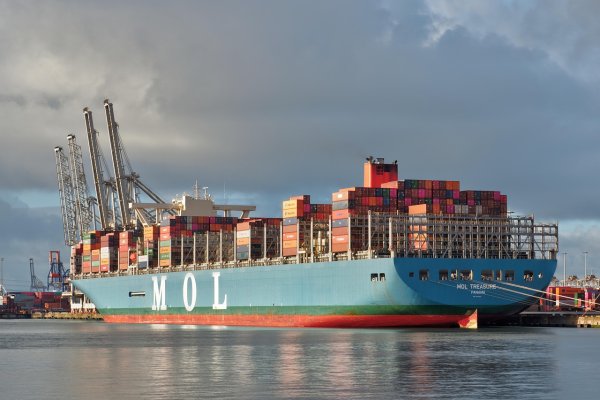
Introduction: The UK's Position in Global Trade
The United Kingdom has long been a powerhouse in international trade, with a rich commercial history spanning centuries. Today, as the nation navigates post-Brexit realities and embraces the fourth industrial revolution, UK businesses face unprecedented opportunities and challenges in managing exports, imports, automation, and risk. This comprehensive guide explores how these interconnected elements are reshaping Britain's economic landscape and what it means for businesses operating in this dynamic environment.
From the bustling ports of Felixstowe to the financial services sector in London, the UK's trade ecosystem is undergoing a fundamental transformation. Understanding these changes is crucial for businesses seeking to maintain competitive advantages while mitigating emerging risks in an increasingly automated and interconnected global marketplace.
The Current State of UK Exports
The United Kingdom's export sector remains a vital component of the national economy, contributing significantly to GDP and employment. In recent years, British exports have demonstrated remarkable resilience despite global uncertainties, including the COVID-19 pandemic and geopolitical tensions.
Key Export Sectors Driving Growth
Several industries continue to excel in international markets:
- Financial and professional services: London's position as a global financial hub ensures continued demand for British expertise in banking, insurance, and consultancy
- Pharmaceutical and biotechnology: The UK's life sciences sector has seen exponential growth, particularly following vaccine development achievements
- Advanced manufacturing: Aerospace, automotive components, and precision engineering maintain strong export performance
- Creative industries: Film, television, music, and digital content continue to generate substantial export revenues
- Food and beverages: Premium products like Scotch whisky, British cheese, and specialty foods enjoy global demand
Post-Brexit Export Landscape
The UK's departure from the European Union has fundamentally altered export dynamics. While some sectors faced initial disruptions, businesses have increasingly adapted to new customs procedures, regulatory requirements, and documentation standards. The government's focus on securing free trade agreements with nations including Australia, New Zealand, and ongoing negotiations with the United States signal a strategic shift toward diversifying export markets beyond Europe.
Understanding UK Import Dependencies
Britain's import sector tells an equally compelling story. As an island nation with a population exceeding 67 million, the UK relies heavily on imported goods to sustain its economy and meet consumer demands.
Critical Import Categories
The UK's import portfolio is diverse and essential:
- Energy resources: Despite domestic production, the UK imports significant quantities of oil, gas, and increasingly, renewable energy technology
- Food and agricultural products: Approximately 45% of food consumed in the UK is imported, with fresh produce particularly dependent on European suppliers
- Manufactured goods: Consumer electronics, clothing, and machinery form substantial portions of import volumes
- Raw materials: Industrial inputs and components essential for British manufacturing
- Vehicles and parts: The integrated nature of European automotive supply chains means continued high import volumes
Supply Chain Vulnerabilities and Resilience
Recent global disruptions have highlighted vulnerabilities in UK import dependencies. The COVID-19 pandemic, Brexit-related adjustments, and international shipping challenges have prompted businesses and policymakers to reassess supply chain strategies. Many organizations are now pursuing dual-sourcing strategies, increasing inventory buffers, and investing in supplier relationship management to enhance resilience.
The Automation Revolution in UK Trade
Automation technology is transforming how British businesses manage international trade operations, offering unprecedented efficiency gains while requiring significant capital investment and workforce adaptation.
Customs and Border Automation
The UK government has invested heavily in digital customs systems to streamline border processes. The Customs Declaration Service (CDS) represents a major technological upgrade, enabling faster processing of import and export declarations. Businesses leveraging automated customs software can now complete documentation in minutes rather than hours, reducing clearance times and associated costs.
Warehouse and Logistics Automation
British distribution centers are increasingly adopting cutting-edge automation technologies:
- Automated guided vehicles (AGVs): These self-navigating units transport goods within warehouses without human intervention
- Robotic picking systems: Advanced robots equipped with AI-powered vision systems can identify, grasp, and sort diverse products with remarkable accuracy
- Automated storage and retrieval systems (AS/RS): These maximize warehouse capacity while minimizing retrieval times
- Drone technology: Experimental programs are exploring drone applications for inventory management and final-mile delivery
AI and Predictive Analytics in Trade
Artificial intelligence is revolutionizing trade forecasting and decision-making. Machine learning algorithms analyze vast datasets to predict demand fluctuations, optimize shipping routes, and identify emerging market opportunities. British companies employing these technologies gain competitive advantages through improved inventory management, reduced waste, and enhanced customer satisfaction.
Workforce Implications of Automation
While automation delivers efficiency benefits, it also raises important questions about workforce displacement and skills requirements. The UK government and industry partners are investing in retraining programs to help workers transition from routine roles to positions requiring technical expertise, system oversight, and strategic thinking. The most successful organizations view automation as augmenting rather than replacing human capabilities, creating hybrid workforces that combine technological efficiency with human creativity and judgment.
Comprehensive Risk Management Strategies
In an era of heightened uncertainty, effective risk management has become essential for UK businesses engaged in international trade. Multiple risk categories demand attention and mitigation strategies.
Regulatory and Compliance Risks
Post-Brexit Britain operates under a distinct regulatory framework that continues to evolve. Businesses must navigate:
- Changing tariff schedules: Understanding duty rates and rules of origin requirements for different markets
- Product standards and certifications: Ensuring goods meet destination market specifications, which may differ from EU standards
- Data protection regulations: Managing cross-border data transfers in compliance with UK GDPR and international equivalents
- Sanctions and export controls: Remaining compliant with rapidly changing international sanctions regimes
Currency and Financial Risks
Exchange rate volatility presents ongoing challenges for UK traders. Sterling's fluctuations against major currencies can significantly impact profit margins on international transactions. Sophisticated businesses employ multiple hedging strategies, including forward contracts, options, and natural hedging through balanced export-import portfolios.
Supply Chain Disruption Risks
Recent years have demonstrated supply chain fragility. Effective risk management now requires:
- Supplier diversification: Avoiding over-reliance on single suppliers or geographic regions
- Scenario planning: Developing contingency plans for various disruption scenarios
- Real-time visibility: Implementing tracking systems that provide end-to-end supply chain transparency
- Strategic inventory positioning: Balancing just-in-time efficiency with safety stock requirements
Cybersecurity and Digital Risks
As trade operations become increasingly digitized and automated, cybersecurity emerges as a critical risk management priority. British businesses face threats from ransomware attacks, data breaches, and system compromises that could halt operations. Robust cybersecurity frameworks, including regular security audits, employee training, and incident response plans, are no longer optional but essential components of trade risk management.
Geopolitical and Market Risks
International tensions, trade disputes, and political instability in key markets create uncertainties for UK exporters and importers. Effective risk management requires continuous monitoring of geopolitical developments and flexibility to pivot toward alternative markets when necessary. Building diverse market portfolios reduces exposure to any single region's political or economic challenges.
Integrating Automation with Risk Management
The intersection of automation and risk management presents both opportunities and challenges. Automated systems can enhance risk detection and response through continuous monitoring, pattern recognition, and rapid alert systems. However, automation itself introduces new risks, including technology failures, cybersecurity vulnerabilities, and over-reliance on algorithmic decision-making.
Leading UK organizations are developing integrated approaches that leverage automation's benefits while maintaining human oversight for critical decisions. This balanced strategy ensures efficiency gains while preserving the judgment and ethical considerations that machines cannot fully replicate.
Conclusion: Navigating the Future of UK Trade
The United Kingdom's trade landscape is experiencing profound transformation driven by changing export-import dynamics, revolutionary automation technologies, and increasingly sophisticated risk management requirements. British businesses that successfully navigate this complexity will emerge stronger and more competitive in global markets.
Success requires embracing technological innovation while maintaining focus on fundamental business principles: understanding customer needs, building resilient operations, and managing risks proactively. As automation continues advancing and global trade patterns evolve, the UK's position as a trading nation will depend on adaptability, innovation, and strategic vision.
Organizations that invest in digital capabilities, diversify their trade portfolios, and implement comprehensive risk management frameworks will be best positioned to capitalize on emerging opportunities while weathering inevitable challenges. The future of UK trade is being written today by businesses willing to embrace change while learning from Britain's rich commercial heritage.


