

The United Kingdom's trade relationship with China has become increasingly vital to businesses across all sectors. As one of the UK's largest trading partners, China supplies everything from electronics and machinery to textiles and consumer goods. Understanding the complexities of importing from China—including shipping logistics, safety compliance, and warehouse management—is essential for businesses seeking to optimize their supply chain operations and remain competitive in today's global marketplace.
The Current State of UK Imports from China
China remains a dominant force in UK import markets, with bilateral trade reaching unprecedented levels in recent years. The relationship between these two economic powerhouses continues to evolve, presenting both opportunities and challenges for British businesses of all sizes.
According to recent trade statistics, China accounts for approximately 13% of all UK imports, making it the fourth-largest source of goods entering the country. These imports span diverse categories, including electronics, machinery, clothing, furniture, toys, and telecommunications equipment. The sheer volume and variety of products available from Chinese manufacturers make it an attractive sourcing destination for UK retailers, wholesalers, and e-commerce businesses.
Key Import Categories
- Electronics and electrical equipment: Smartphones, computers, components, and consumer electronics
- Machinery and mechanical appliances: Industrial equipment, tools, and manufacturing machinery
- Textiles and apparel: Clothing, fabrics, and fashion accessories
- Furniture and homeware: Household items, decorative products, and furnishings
- Toys and sporting goods: Children's products and recreational equipment
Navigating Shipping from China to the UK
Shipping represents one of the most critical aspects of importing from China. The method you choose significantly impacts cost, delivery time, and overall supply chain efficiency. Understanding the available options enables businesses to make informed decisions that align with their operational requirements and budget constraints.
Sea Freight: The Economical Choice
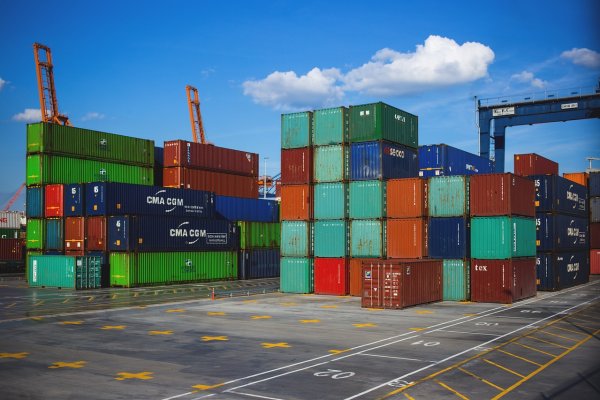
Sea freight remains the most popular shipping method for UK importers, particularly for large volumes or heavy goods. Container shipping from major Chinese ports such as Shanghai, Shenzhen, and Ningbo to UK ports including Felixstowe, Southampton, and London Gateway typically takes between 25 to 40 days.
Businesses can choose between Full Container Load (FCL) and Less than Container Load (LCL) options. FCL suits larger shipments where you fill an entire container, offering better security and potentially lower per-unit costs. LCL allows smaller businesses to share container space, making international shipping more accessible for companies with limited volumes.
Air Freight: Speed When You Need It
For time-sensitive shipments or high-value, low-weight products, air freight offers a faster alternative. Transit times typically range from 3 to 7 days, though costs are considerably higher than sea freight. Air freight proves particularly valuable for:
- Product launches with tight deadlines
- Seasonal inventory requiring quick replenishment
- High-value electronics and luxury goods
- Emergency stock to prevent stockouts
Express Courier Services
Companies like DHL, FedEx, and UPS provide door-to-door express services from China to the UK, ideal for small parcels, samples, or urgent documents. While premium-priced, these services offer convenience, tracking, and delivery times of 2-5 days.
Safety Standards and Regulatory Compliance
Ensuring product safety and regulatory compliance stands as a non-negotiable priority for UK importers. The consequences of importing non-compliant goods can be severe, including customs seizure, financial penalties, reputational damage, and potential legal liability.
Understanding UK Safety Requirements
Following Brexit, the UK has established its own product safety framework, though it remains largely aligned with previous EU standards. The UK Conformity Assessed (UKCA) marking has replaced the CE marking for goods sold in Great Britain, indicating products meet UK safety requirements.
Key regulatory areas include:
- Electrical Safety: Products must comply with Electrical Equipment (Safety) Regulations
- Toy Safety: Strict standards govern children's products under the Toys (Safety) Regulations
- Chemical Safety: REACH UK regulations control chemical substances in products
- General Product Safety: All consumer products must meet the General Product Safety Regulations
Due Diligence for Importers
UK businesses bear responsibility for ensuring their Chinese suppliers manufacture compliant products. Implementing robust due diligence procedures protects your business and customers:
- Request test reports and certificates from accredited laboratories
- Conduct factory audits to verify manufacturing standards
- Implement pre-shipment inspection programs
- Maintain comprehensive product documentation
- Work with reputable suppliers with proven track records
- Consider engaging third-party quality control services
Customs and Import Documentation
Proper customs clearance requires accurate documentation. Essential documents include commercial invoices, packing lists, bills of lading or airway bills, certificates of origin, and any applicable safety certificates or test reports. Working with experienced customs brokers can streamline this process and help avoid costly delays.
Warehouse Management Systems for UK Importers
As import volumes grow, efficient warehouse operations become increasingly critical. Warehouse Management Systems (WMS) have evolved from luxury investments to essential tools for businesses importing from China and managing complex inventory operations.
What is a Warehouse Management System?
A WMS is sophisticated software that optimizes warehouse operations, from receiving shipments to order fulfillment. Modern systems provide real-time visibility into inventory levels, locations, and movements, enabling businesses to operate with greater efficiency and accuracy.
Key Benefits for UK Importers
Inventory accuracy improves dramatically with WMS implementation, reducing discrepancies that plague manual systems. Real-time tracking means you know exactly what stock you have, where it's located, and when reordering becomes necessary.
For businesses importing from China, where lead times can extend to several weeks, accurate demand forecasting enabled by WMS data prevents both stockouts and overstock situations. The system analyzes historical data, seasonal trends, and current demand to recommend optimal reorder points.
Space optimization features ensure your warehouse operates at maximum efficiency. The WMS directs where products should be stored based on factors like picking frequency, product dimensions, and turnover rates, minimizing wasted space and reducing picking times.
Essential WMS Features for Import Operations
- Container receiving: Streamlined processes for checking in large shipments from China
- Batch and serial number tracking: Critical for compliance and quality control
- Multi-location management: Coordinate inventory across multiple warehouses or 3PL facilities
- Integration capabilities: Connect with e-commerce platforms, accounting systems, and shipping carriers
- Reporting and analytics: Data-driven insights into inventory performance and warehouse efficiency
- Mobile functionality: Warehouse staff access system via handheld devices or smartphones
Choosing the Right WMS
UK importers should evaluate WMS solutions based on their specific needs. Consider factors including business size, transaction volumes, budget, integration requirements, and scalability. Cloud-based solutions offer flexibility and lower upfront costs, making them attractive for small to medium enterprises, while larger operations might benefit from more comprehensive on-premise systems.
Optimizing Your China-UK Supply Chain
Success in importing from China requires a holistic approach that integrates shipping logistics, safety compliance, and warehouse management into a cohesive strategy.
Building Strong Supplier Relationships
Developing partnerships with reliable Chinese suppliers forms the foundation of successful importing. Regular communication, clear specifications, and fair negotiation create mutually beneficial relationships that yield better pricing, quality, and reliability over time.
Risk Management Strategies
Diversifying your supplier base protects against disruptions affecting specific regions or manufacturers. Maintaining safety stock for critical items, implementing quality control checkpoints, and securing appropriate insurance coverage all contribute to a resilient supply chain.
Leveraging Technology
Beyond WMS, consider supply chain visibility platforms that track shipments in real-time from Chinese factories to UK warehouses. These tools provide alerts about delays, enable proactive problem-solving, and improve communication with customers about expected delivery times.
Future Trends and Considerations
The landscape of UK-China trade continues evolving. Sustainability considerations increasingly influence purchasing decisions, with businesses seeking suppliers committed to environmental responsibility and ethical manufacturing practices. Carbon footprint reduction initiatives may affect shipping method choices and supplier selection criteria.
Digital transformation accelerates across the supply chain, with technologies like artificial intelligence, blockchain, and Internet of Things (IoT) creating new optimization opportunities. Forward-thinking UK importers are exploring how these innovations can enhance efficiency, transparency, and competitiveness.
Trade policies and international relations remain dynamic, requiring businesses to stay informed about tariffs, trade agreements, and regulatory changes that might impact their operations.
Conclusion
Successfully importing from China to the UK demands expertise across multiple domains—shipping logistics, safety compliance, and warehouse management. By understanding available shipping options, maintaining rigorous safety standards, and implementing robust warehouse management systems, UK businesses can build efficient, compliant, and profitable import operations.
The complexity may seem daunting, but the rewards are substantial. With proper planning, reliable partnerships, and appropriate technology investments, UK importers can leverage China's manufacturing capabilities to grow their businesses while meeting all regulatory requirements and customer expectations. As global trade continues evolving, those who master these fundamentals will be best positioned for long-term success.


