

The Evolution of UK Import Distribution in the B2C Era
The landscape of import UK distribution has undergone a radical transformation over the past decade, driven primarily by the explosive growth of business-to-consumer (B2C) commerce. As online shopping becomes increasingly dominant, the way imported goods flow through the United Kingdom has fundamentally changed. Traditional distribution models designed for bulk wholesale operations have given way to sophisticated, agile systems capable of handling millions of individual consumer orders.
The UK imports approximately £470 billion worth of goods annually, with a significant and growing proportion destined directly for consumers rather than retail intermediaries. This shift has created both challenges and opportunities for distribution networks, particularly in strategically positioned cities like Bristol that serve as crucial logistics hubs connecting international suppliers with British consumers.
Bristol: A Strategic Distribution Hub for UK Imports
Bristol's position as a distribution powerhouse isn't accidental. The city's unique combination of geographic location, infrastructure, and connectivity makes it an ideal gateway for imported goods entering the UK market and reaching B2C customers efficiently.
Geographic Advantages
Situated in the South West of England, Bristol offers exceptional access to multiple major markets. The city sits at the intersection of critical transport corridors, providing:
- Proximity to major ports: Bristol's own port facilities, combined with easy access to Avonmouth and connections to Felixstowe and Southampton
- Central UK positioning: Within 150 miles of London, Birmingham, Cardiff, and numerous regional population centers
- M4 and M5 corridor access: Direct motorway connections facilitating rapid nationwide distribution
- Rail connectivity: Extensive freight rail infrastructure supporting sustainable logistics operations
Bristol Port's Role in Import Distribution
The Port of Bristol, including the Avonmouth and Royal Portbury docks, handles over 12 million tonnes of cargo annually, making it one of the UK's most significant import gateways. For B2C distributors, this means imported goods can be quickly processed through customs, transferred to distribution centers, and dispatched to consumers without the delays associated with more congested southern ports.
Understanding Modern B2C Distribution Models
The B2C distribution model differs fundamentally from traditional business-to-business (B2B) logistics. Rather than shipping pallets of products to retail locations, modern import distribution must accommodate individual orders, diverse product ranges, and customer expectations for rapid delivery.
Key Components of B2C Distribution
- Micro-fulfillment Centers: Smaller, strategically located facilities enabling same-day or next-day delivery to consumers
- Cross-docking Operations: Imported goods are immediately sorted and redistributed without long-term storage, reducing handling time
- Integrated Technology Systems: Real-time inventory management, order tracking, and automated picking systems
- Last-mile Logistics: Partnerships with courier networks specializing in residential delivery
- Returns Processing: Efficient reverse logistics handling the high return rates characteristic of B2C commerce
Import UK Challenges and Solutions in B2C Distribution
While the opportunities in UK import distribution are substantial, businesses face several significant challenges when operating in the B2C space, particularly in the post-Brexit environment.
Customs and Compliance
Since the UK's departure from the European Union, customs procedures and documentation requirements have become more complex for imports. B2C distributors must navigate:
- Customs declarations for every shipment, regardless of value
- VAT collection and remittance on imported consumer goods
- Product safety and compliance certification
- Rules of origin documentation affecting tariff rates
Successful Bristol-based distributors have invested heavily in customs expertise and technology systems that automate declaration processes, ensuring smooth goods flow while maintaining full regulatory compliance.
Speed Versus Cost Balance
B2C consumers expect fast, often free delivery, creating pressure on distribution networks to optimize both speed and cost-efficiency. Bristol's distribution centers address this through:
- Predictive inventory positioning: Using data analytics to stock popular imported items closer to demand centers
- Consolidated shipping: Grouping orders by geographic zone to reduce per-unit delivery costs
- Multi-carrier strategies: Selecting the most cost-effective delivery option for each order profile
- Automated warehousing: Robotics and AI-driven systems reducing labor costs and processing time
The Import Process: From Origin to Consumer
Understanding the complete journey of imported goods through Bristol's distribution network reveals the complexity and sophistication of modern B2C logistics.
Stage 1: International Shipping
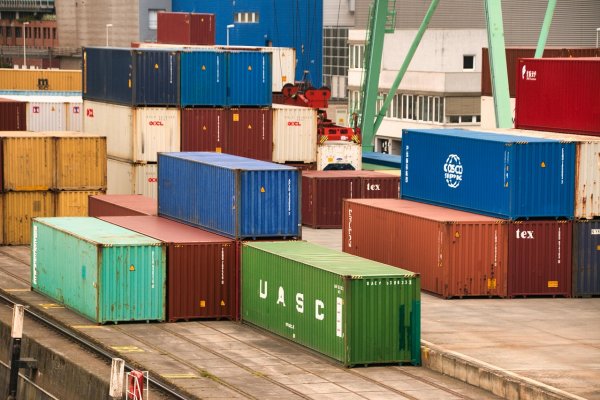
Most consumer goods arrive in Bristol via container shipping from Asia, with typical transit times of 30-45 days from China, or through faster European connections for goods manufactured or consolidated in the EU. Air freight serves urgent, high-value imports, though at significantly higher cost.
Stage 2: Port Operations and Customs Clearance
Upon arrival at Bristol's port facilities, containers undergo customs clearance. Advanced distributors utilize pre-clearance systems, submitting documentation before goods arrive, enabling immediate release upon landing. This reduces dwell time from days to hours, crucial for maintaining B2C delivery promises.
Stage 3: Distribution Center Processing
At Bristol's modern distribution facilities, imported goods are:
- Unloaded and quality-checked against shipment documentation
- Entered into warehouse management systems with unique identifiers
- Stored in optimized locations based on demand patterns and product characteristics
- Picked and packed according to individual consumer orders
- Labeled with carrier-specific shipping information
Stage 4: Last-Mile Delivery
The final stage involves handoff to delivery partners—national carriers like Royal Mail and DPD, or specialized local couriers for same-day service in metropolitan areas. Bristol's location enables next-day delivery to over 90% of UK addresses from a single distribution point.
Technology Driving Distribution Innovation
Bristol's import distribution sector has embraced cutting-edge technology to meet B2C demands. Leading facilities now incorporate:
- Warehouse Robotics: Autonomous mobile robots transporting goods within facilities, increasing picking efficiency by 40-60%
- Artificial Intelligence: Machine learning algorithms optimizing inventory levels, predicting demand spikes, and routing efficiency
- IoT Sensors: Real-time tracking of goods throughout the distribution chain, providing customers with accurate delivery updates
- Blockchain Systems: Ensuring supply chain transparency and authenticity verification for imported products
- Digital Twin Technology: Virtual modeling of distribution operations enabling testing and optimization without disrupting actual workflows
Sustainability in Import Distribution
As environmental concerns influence consumer purchasing decisions, sustainable distribution practices have become competitive advantages rather than mere compliance requirements. Bristol's distribution sector leads in:
- Electric vehicle fleets: For local deliveries, reducing urban air pollution
- Consolidated shipping: Minimizing empty miles and optimizing vehicle capacity
- Renewable energy: Solar panels and wind power for warehouse operations
- Packaging optimization: Right-sized packaging and recyclable materials reducing waste
- Rail freight utilization: Shifting long-distance transport from road to lower-emission rail connections
Future Trends in B2C Import Distribution
The evolution of UK import distribution continues at pace, with several trends reshaping how Bristol-based operations will function in coming years:
Nearshoring and Supply Chain Diversification
Businesses are reducing dependence on distant Asian suppliers by developing European and North African sourcing relationships. Bristol's proximity to European ports positions it advantageously for this shift, with shorter lead times and lower shipping costs benefiting B2C operations.
Autonomous Delivery Systems
Trials of autonomous delivery vehicles and drones are already underway in UK cities. Bristol's tech sector and progressive regulatory environment make it a likely early adopter, potentially revolutionizing last-mile delivery economics for imported consumer goods.
Hyper-Personalization
Advanced data analytics enable increasingly personalized distribution strategies, with inventory positioned predictively based on individual consumer behavior patterns, enabling faster delivery of imported products consumers are likely to purchase.
Conclusion: Bristol's Role in UK Import Distribution Excellence
The intersection of import UK operations, B2C commerce, and Bristol's strategic advantages creates a powerful ecosystem supporting the modern consumer economy. As British shoppers increasingly purchase imported goods online, the sophistication and efficiency of distribution networks become critical competitive factors.
Bristol's combination of port facilities, central location, technological infrastructure, and logistics expertise positions it as a cornerstone of UK import distribution. For businesses seeking to connect international suppliers with British consumers efficiently, sustainably, and profitably, Bristol-based distribution operations offer compelling advantages that will only grow stronger as B2C commerce continues its relentless expansion.
The future of UK imports is direct-to-consumer, technology-enabled, and increasingly sustainable—and Bristol stands at the center of this transformation, serving as the gateway through which global products reach millions of British homes efficiently and reliably.


