

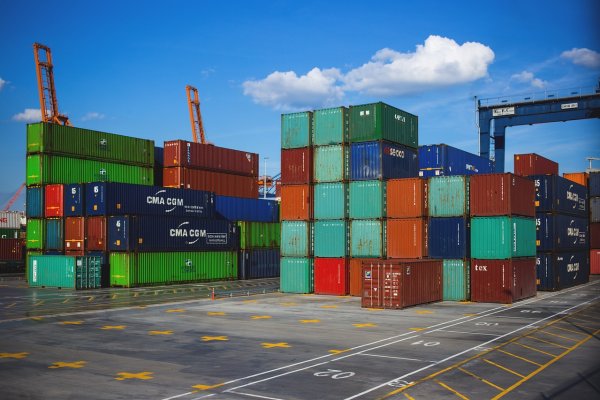
The Evolution of UK Fulfilment Facilities in Global Trade
The landscape of international commerce has transformed dramatically over the past decade, with UK fulfilment facilities emerging as critical infrastructure in the global supply chain. As businesses increasingly source products from China and other Asian markets, the need for sophisticated warehousing and distribution solutions has never been more pressing. Modern fulfilment centres serve as the vital link between manufacturers overseas and customers across the United Kingdom, ensuring seamless product flow and customer satisfaction.
Today's fulfilment facilities are far more than simple storage warehouses. They represent complex operational hubs where technology, logistics expertise, and strategic location converge to create competitive advantages for businesses of all sizes. From small e-commerce startups to established retail giants, companies rely on these facilities to manage inventory, process orders, and deliver products efficiently to end consumers.
Why Nottingham Stands Out as a Prime Fulfilment Location
Nottingham has emerged as a strategic epicentre for fulfilment operations in the United Kingdom, and this prominence is no accident. The city's geographical positioning offers unparalleled advantages for distribution networks serving the entire UK market. Located in the heart of England, Nottingham provides exceptional connectivity to major motorways, including the M1, which runs directly through the East Midlands, enabling rapid distribution to all corners of the country.
Strategic Advantages of Nottingham-Based Facilities
- Central UK location enabling same-day or next-day delivery to approximately 90% of the UK population
- Excellent transport infrastructure with proximity to major motorway networks
- Access to East Midlands Airport, facilitating international freight operations
- Competitive property costs compared to Southeast England locations
- Strong local workforce with established logistics expertise
- Growing technology sector supporting advanced warehouse management systems
The East Midlands region has witnessed substantial investment in logistics infrastructure, with Nottingham at its core. This development has created an ecosystem where fulfilment facilities benefit from shared resources, specialized service providers, and continuous infrastructure improvements designed to support the logistics sector.
Understanding 4PL Services in Modern Fulfilment
The concept of Fourth Party Logistics (4PL) represents the evolution of supply chain management, moving beyond traditional warehousing and shipping services. While third-party logistics (3PL) providers handle operational tasks like storage and distribution, 4PL providers take a more comprehensive approach, managing the entire supply chain on behalf of their clients.
What Distinguishes 4PL from Traditional Logistics?
A 4PL provider acts as a single point of contact, orchestrating all aspects of the supply chain, including managing relationships with multiple 3PL providers, freight forwarders, customs brokers, and technology platforms. This holistic approach offers businesses several compelling advantages:
- Strategic oversight: 4PL providers offer supply chain strategy development and implementation
- Technology integration: Unified platforms providing visibility across the entire supply chain
- Cost optimization: Leveraging multiple service providers to achieve the best pricing and performance
- Scalability: Flexible solutions that grow with business demands
- Risk management: Proactive identification and mitigation of supply chain vulnerabilities
For businesses importing from China, 4PL services become particularly valuable as they navigate the complexities of international shipping, customs clearance, and domestic distribution. The 4PL provider coordinates these moving parts, ensuring seamless transitions from overseas manufacturers to UK customers.
Navigating the Complexities of Shipping from China
Shipping from China to the United Kingdom involves numerous considerations that can significantly impact business operations, costs, and customer satisfaction. Understanding these complexities is essential for businesses looking to establish reliable supply chains.
Sea Freight vs. Air Freight Considerations
Sea freight remains the most cost-effective option for shipping large volumes from China, with containers departing from major ports like Shanghai, Shenzhen, and Ningbo. Transit times typically range from 30 to 45 days to UK ports such as Felixstowe, Southampton, or London Gateway. While slower, sea freight offers substantial cost savings for non-urgent inventory.
Air freight, conversely, dramatically reduces transit times to just 3-7 days but at a premium cost. This option suits businesses requiring rapid inventory replenishment, launching time-sensitive products, or managing high-value, low-volume goods. The proximity of facilities in Nottingham to East Midlands Airport creates an efficient pathway for air freight arrivals to reach fulfilment centres quickly.
Import Documentation and Compliance
Successfully importing from China requires meticulous attention to documentation and regulatory compliance. UK fulfilment facilities with import expertise manage these critical processes:
- Commercial invoices and packing lists with accurate product descriptions
- Customs declarations and tariff classifications
- Certificates of origin when preferential trade agreements apply
- Product compliance documentation (CE marking, safety certificates)
- Import VAT and duty calculations and payments
Since Brexit, import procedures have evolved, requiring businesses to adapt their processes. Experienced fulfilment facilities maintain current knowledge of regulations and work with customs brokers to ensure smooth clearance of goods entering the UK.
Integrating China Imports with UK Fulfilment Operations
The most efficient supply chains create seamless integration between international shipping and domestic fulfilment operations. When containers or air freight pallets arrive from China, the transition to fulfilment facilities should be swift and well-coordinated.
Container Devanning and Inventory Processing
Modern UK fulfilment facilities offer comprehensive receiving services that begin the moment shipments arrive. Container devanning—the process of unloading containers—requires adequate space, equipment, and experienced personnel. Quality facilities provide:
- Dedicated devanning areas with appropriate handling equipment
- Quality inspection processes to identify shipping damage
- Barcode scanning and inventory registration in warehouse management systems
- Product sorting and categorization according to client requirements
- Secure storage in designated locations within the facility
This initial processing stage is critical for inventory accuracy and determines how smoothly subsequent fulfilment operations will function. Errors at this point can cascade through the entire order fulfilment process, affecting customer satisfaction and operational efficiency.
Technology-Driven Fulfilment Solutions
Contemporary UK fulfilment facilities leverage advanced technology to optimize operations and provide clients with unprecedented visibility into their inventory and orders. Warehouse Management Systems (WMS) form the backbone of these operations, coordinating all activities from receiving to shipping.
Key Technological Capabilities
Leading fulfilment facilities in Nottingham and throughout the UK deploy sophisticated systems offering:
- Real-time inventory tracking: Precise visibility of stock levels and locations
- Automated order processing: Integration with e-commerce platforms and marketplaces
- Intelligent picking systems: Optimized routes reducing picking time and errors
- Shipping integration: Automatic carrier selection and label generation
- Analytics and reporting: Data-driven insights into operational performance
These technological capabilities become particularly valuable when managing China-sourced inventory with potentially long lead times. Accurate demand forecasting and inventory management prevent stockouts while minimizing excess inventory carrying costs.
Choosing the Right UK Fulfilment Partner
Selecting a fulfilment facility represents a strategic decision with long-term implications for business growth and customer satisfaction. Businesses importing from China should evaluate potential partners across multiple dimensions.
Essential Selection Criteria
Location and accessibility rank among the primary considerations. Facilities in Nottingham or similar central UK locations offer distribution advantages, but proximity to ports or airports may be equally important for businesses with specific shipping patterns.
Experience with imports cannot be overstated. Facilities familiar with China shipping patterns, customs procedures, and international documentation will navigate complexities more effectively than those primarily focused on domestic operations.
Scalability ensures the partnership can grow alongside your business. Can the facility accommodate seasonal volume spikes? Do they have expansion capacity for business growth? These questions reveal whether a potential partner can support long-term success.
The Future of UK Fulfilment and International Commerce
The fulfilment industry continues evolving rapidly, driven by changing consumer expectations, technological advancement, and shifts in global trade patterns. Sustainability has emerged as a critical consideration, with facilities implementing electric vehicle fleets, renewable energy systems, and packaging reduction initiatives.
Automation is reshaping warehouse operations, with robotics handling repetitive tasks and allowing human workers to focus on complex problem-solving. However, the most successful facilities balance automation with human expertise, recognizing that flexibility and adaptability remain essential in dynamic supply chains.
For businesses shipping from China and serving UK customers, partnering with a sophisticated fulfilment facility—particularly one offering 4PL capabilities in strategic locations like Nottingham—provides the foundation for competitive advantage in an increasingly demanding marketplace. The right partnership transforms logistics from a cost centre into a strategic asset, enabling businesses to focus on growth while their fulfilment partner ensures products reach customers efficiently and reliably.


