

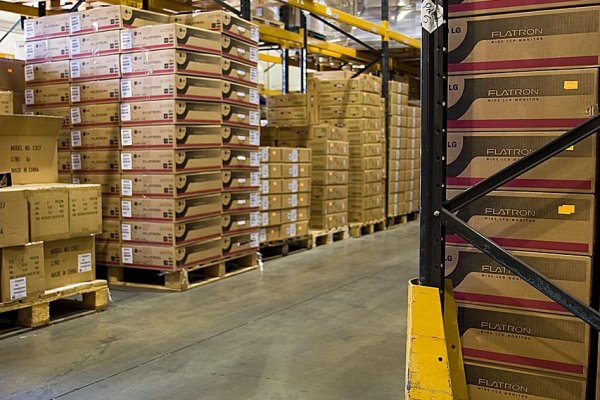
In today's fast-paced global economy, efficient storage solutions form the backbone of successful supply chain operations. Whether you're managing imports from overseas or coordinating last-mile delivery through carriers like Evri, racking storage systems play a crucial role in keeping goods organized, accessible, and moving smoothly through the supply chain.
Understanding Racking Storage in Modern Warehousing
Racking storage refers to the structural framework systems used in warehouses and distribution centers to store inventory vertically. These systems maximize available space by utilizing height rather than floor area alone, creating efficient storage solutions that can dramatically increase a facility's capacity without expanding its physical footprint.
Modern racking systems come in various configurations, each designed to meet specific operational needs. From selective pallet racking to drive-in systems and cantilever racks, businesses can customize their storage infrastructure to match their unique inventory characteristics, handling requirements, and throughput demands.
Types of Racking Storage Systems
- Selective Pallet Racking: The most common system, offering direct access to every pallet
- Drive-In/Drive-Through Racking: High-density storage for products with low SKU variety
- Push-Back Racking: Dynamic storage allowing multiple pallets per lane
- Cantilever Racking: Ideal for long, bulky items like furniture or building materials
- Mobile Racking: Movable systems that maximize space utilization
- Mezzanine Systems: Multi-level platforms creating additional storage tiers
The Critical Role of Racking Storage in Supply Chain Management
The supply chain represents a complex network of processes, from manufacturing and procurement to warehousing and final delivery. Within this intricate system, racking storage serves as a pivotal node where goods transition between transportation modes and await distribution to their final destinations.
Effective racking storage directly impacts several critical supply chain metrics. When properly designed and implemented, these systems reduce handling time, minimize product damage, improve inventory accuracy, and accelerate order fulfillment. Conversely, poorly planned storage can create bottlenecks that ripple throughout the entire supply chain, causing delays, increased costs, and customer dissatisfaction.
Optimizing Warehouse Space for Supply Chain Efficiency
The modern warehouse faces constant pressure to do more with less. Real estate costs continue rising, particularly in strategic locations near transportation hubs and population centers. Vertical storage solutions through racking systems allow businesses to triple or even quadruple their storage capacity within existing facilities.
This vertical optimization becomes especially crucial when managing seasonal fluctuations in inventory. Retailers preparing for holiday rushes or businesses stockpiling imports ahead of anticipated supply disruptions need flexible storage capacity that racking systems can provide without permanent facility expansion.
Racking Storage and Imports: Managing Global Inventory Flows
As businesses increasingly source products from international suppliers, managing imports has become a central challenge in supply chain operations. Racking storage systems must accommodate the unique demands of imported goods, from container unloading to long-term storage while awaiting distribution.
When shipments arrive from overseas, they often come in large volumes requiring immediate storage capacity. Efficient racking systems allow warehouses to quickly process and store these imports, maintaining product condition while facilitating the necessary customs documentation, quality checks, and inventory recording processes.
Key Considerations for Import Storage
- Containerized Goods: Racking must accommodate standard pallet sizes and weights from international shipping containers
- Inspection Access: Systems should allow easy access for customs inspections and quality control
- Variable Storage Durations: Flexibility to handle both fast-moving and slow-moving imports
- Documentation Management: Integration with inventory systems tracking import paperwork and compliance requirements
- Climate Control: Appropriate storage conditions for sensitive imported products
The Evri Connection: Supporting Last-Mile Delivery Operations
Logistics providers like Evri, one of the UK's largest parcel delivery companies, depend heavily on sophisticated warehousing and sorting facilities to manage their high-volume operations. While Evri handles millions of parcels daily, the efficiency of their operation begins with organized storage and sortation systems that racking infrastructure supports.
For businesses using Evri or similar carriers for distribution, the connection between warehouse racking and delivery efficiency becomes apparent. Products must be stored in ways that facilitate rapid picking, packing, and handoff to carriers. This requires racking systems designed around order fulfillment workflows rather than simple storage density.
Racking Strategies for E-commerce and Parcel Delivery
The explosive growth of e-commerce has transformed warehousing requirements. Traditional bulk storage has given way to dynamic systems supporting individual item picking for small parcel shipments. Racking configurations for e-commerce operations typically include:
- Zones organized by product velocity (fast-movers near packing stations)
- Mixed-SKU storage maximizing picking efficiency
- Integration with automated picking systems and conveyor networks
- Dedicated areas for returns processing and restocking
- Flexible configurations accommodating inventory seasonality
When preparing shipments for carriers like Evri, efficient racking directly translates to faster order processing, reduced labor costs, and improved delivery timeframes—all critical factors in customer satisfaction and competitive advantage.
Designing Racking Systems for Supply Chain Resilience
Recent global disruptions have highlighted the importance of supply chain resilience—the ability to adapt to unexpected challenges while maintaining operational continuity. Racking storage plays an underappreciated role in building this resilience.
Flexible racking systems allow businesses to quickly reconfigure storage as needs change. When supply chain disruptions force companies to increase safety stock or diversify suppliers, adaptable racking can accommodate these shifts without major capital investments or operational downtime.
Building Adaptability Into Storage Infrastructure
Forward-thinking businesses design their racking systems with future flexibility in mind. This includes modular components that can be rearranged, adjustable beam heights accommodating various product sizes, and capacity for both manual and automated handling systems.
Additionally, modern racking increasingly integrates with warehouse management systems (WMS) and inventory tracking technologies. This digital integration provides real-time visibility into stock levels, locations, and movements—essential information for supply chain decision-making and responsiveness.
Safety and Compliance in Racking Storage Operations
Beyond efficiency considerations, racking storage systems must meet stringent safety standards protecting both workers and inventory. Properly designed and maintained racking prevents accidents, reduces product damage, and ensures compliance with regulatory requirements.
Key safety considerations include:
- Load capacity specifications clearly marked and strictly observed
- Regular inspections identifying damage or wear requiring repairs
- Proper installation by certified professionals following manufacturer specifications
- Clear aisle widths accommodating material handling equipment
- Adequate lighting and clear signage throughout the facility
- Employee training on safe loading and unloading procedures
Maximizing Return on Investment in Racking Systems
Investing in quality racking storage represents a significant capital commitment, but one that delivers substantial returns when properly executed. Businesses should evaluate racking decisions based on total cost of ownership rather than initial purchase price alone.
Factors influencing ROI include increased storage density (reducing per-unit storage costs), improved operational efficiency (lowering labor costs), reduced product damage, and enhanced scalability supporting business growth without facility expansion. Additionally, modern racking systems can be relocated or reconfigured, preserving asset value even as business needs evolve.
Conclusion: Strategic Storage for Competitive Advantage
In the interconnected world of modern commerce, where supply chains stretch across continents and consumer expectations demand rapid fulfillment, racking storage has evolved from a simple warehousing component to a strategic asset enabling competitive advantage.
Whether managing imports arriving at ports, coordinating distribution through carriers like Evri, or responding to supply chain disruptions, businesses with optimized racking systems operate with greater efficiency, flexibility, and resilience. As supply chains continue growing more complex, the foundation of organized, accessible, and efficient storage becomes increasingly valuable.
Companies that view racking storage as a strategic investment rather than a commodity expense position themselves for success in today's demanding logistics environment. By carefully designing storage infrastructure around operational workflows, integration capabilities, and future adaptability, businesses create the foundation for supply chain excellence that drives customer satisfaction and bottom-line results.


