

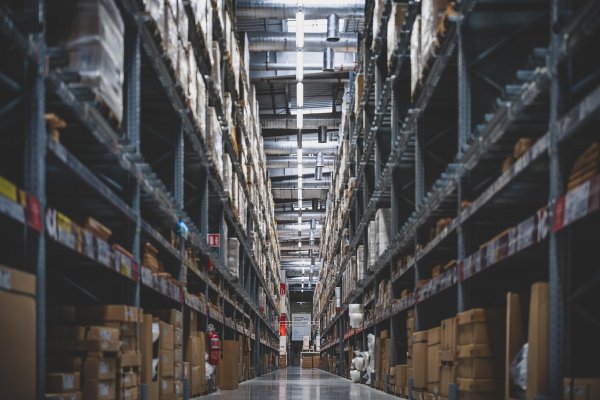
The Evolution of Racking Storage in Modern Warehousing
In today's fast-paced logistics environment, efficient racking storage systems have become the backbone of successful warehouse operations. As businesses strive to maximise space utilisation while minimising operational costs, the integration of advanced storage solutions with innovative practices like cross docking and proper palletisation has revolutionised the industry. Sheffield, with its rich industrial heritage and strategic location, has emerged as a key player in adopting these modern warehousing techniques.
The warehousing landscape has transformed dramatically over the past decade, driven by e-commerce growth, just-in-time delivery expectations, and an increasing emphasis on environmental responsibility. Modern racking storage systems are no longer simply about stacking goods vertically; they represent sophisticated solutions that incorporate technology, sustainability principles, and operational efficiency into a cohesive strategy.
Understanding Modern Racking Storage Systems
Racking storage encompasses a variety of systems designed to store palletised and non-palletised goods efficiently. These systems form the structural foundation of warehouse operations, enabling businesses to optimise vertical space while maintaining accessibility and safety standards.
Types of Racking Systems
Contemporary warehouses typically employ several racking configurations depending on their specific needs:
- Selective Pallet Racking: The most common system, offering direct access to every pallet position
- Drive-In and Drive-Through Racking: High-density storage for homogeneous products with lower selectivity requirements
- Push-Back Racking: Ideal for multiple pallets of the same SKU with Last-In-First-Out (LIFO) inventory management
- Cantilever Racking: Perfect for storing long, awkward items like timber, pipes, or furniture
- Mobile Racking Systems: Movable units that maximise storage density while maintaining accessibility
Each system offers unique advantages, and many Sheffield warehouses implement hybrid solutions that combine multiple racking types to accommodate diverse inventory requirements.
Cross Docking: Revolutionising Warehouse Efficiency
Cross docking represents one of the most significant innovations in modern logistics, fundamentally changing how goods move through distribution centres. This practice involves unloading materials from incoming vehicles and loading them directly onto outbound vehicles, with minimal or no storage time in between.
The Benefits of Cross Docking in Racking Storage Environments
When integrated with efficient racking storage systems, cross docking delivers substantial advantages:
- Reduced Storage Costs: By minimising the time goods spend in the warehouse, businesses can reduce the amount of racking required, lowering capital expenditure and ongoing maintenance costs.
- Faster Inventory Turnover: Products move through the supply chain more quickly, reducing the risk of obsolescence and improving cash flow.
- Lower Handling Costs: Fewer touches mean reduced labour requirements and decreased opportunities for product damage.
- Enhanced Freshness: Particularly crucial for perishable goods, cross docking ensures products reach consumers faster and in better condition.
Sheffield's strategic position in the UK's transport network makes it an ideal location for cross docking operations. The city's excellent connections to major motorways and rail networks enable efficient movement of goods across the country.
Designing Racking Systems for Cross Docking
Warehouses optimised for cross docking require specialised racking configurations. Temporary staging areas with easily accessible racking positions facilitate rapid sorting and consolidation. Many Sheffield facilities employ mobile racking systems near loading docks, allowing flexible reconfiguration as shipment volumes fluctuate throughout the day.
Palletisation: The Foundation of Efficient Storage
Effective palletisation forms the essential link between racking storage systems and operational efficiency. Proper palletisation ensures goods are stored safely, accessed easily, and transported efficiently through the supply chain.
Best Practices in Palletisation
Successful palletisation strategies incorporate several key principles:
- Standardisation: Using consistent pallet sizes (typically UK standard 1200mm x 1000mm or Euro pallets 1200mm x 800mm) ensures compatibility with racking systems and transport vehicles
- Load Stability: Proper stacking patterns, stretch wrapping, and securing methods prevent product damage and workplace accidents
- Weight Distribution: Balanced loading protects both products and racking structures while facilitating safe handling
- Clear Identification: Barcoding and labelling systems enable rapid inventory tracking and retrieval
Sheffield warehouses have increasingly adopted automated palletisation systems that improve consistency while reducing labour costs. These systems integrate seamlessly with modern racking storage, using warehouse management software to optimise pallet placement based on factors like product velocity, weight, and picking frequency.
Sustainability in Racking Storage Solutions
As environmental concerns become increasingly urgent, sustainable warehousing practices have moved from optional extras to essential requirements. The racking storage industry has responded with innovations that reduce environmental impact while maintaining or improving operational efficiency.
Eco-Friendly Racking Materials and Design
Modern racking systems incorporate sustainability at every stage:
- Recycled Steel: Many manufacturers now produce racking from recycled materials, significantly reducing the carbon footprint of new installations
- Modular Design: Reconfigurable systems extend lifespan and reduce waste when operational needs change
- Powder-Coating Technology: Environmentally friendly finishing processes eliminate harmful chemicals while providing durable protection
- Optimised Structural Design: Advanced engineering creates lighter racking that uses less material without compromising strength or safety
Operational Sustainability Through Efficient Storage
Beyond the racking itself, how storage systems are utilised significantly impacts environmental performance:
Vertical storage maximisation reduces building footprints, preserving green space and reducing heating and cooling requirements. In Sheffield, where industrial land is at a premium, efficient racking systems enable businesses to operate from smaller facilities, reducing their environmental impact.
Integrated lighting systems work with racking layouts to ensure illumination is provided only where needed. Motion-sensor LED lighting in racking aisles can reduce energy consumption by up to 70% compared to traditional warehouse lighting.
Temperature-controlled zones become more efficient when racking systems are designed to facilitate proper air circulation, reducing energy waste in climate-controlled facilities.
Sheffield: A Hub for Modern Warehousing Innovation
Sheffield's transformation from a steel-producing powerhouse to a diverse industrial centre has positioned the city as a leader in modern logistics and warehousing solutions. The city's commitment to sustainability, combined with its strategic location and skilled workforce, makes it an ideal location for implementing advanced racking storage systems.
Sheffield's Logistics Advantages
Several factors contribute to Sheffield's growing prominence in the warehousing sector:
- Central Location: Positioned in the heart of England, Sheffield offers excellent access to major UK markets within a few hours' drive
- Transport Infrastructure: The M1 motorway and extensive rail connections facilitate efficient goods movement
- Skilled Workforce: Sheffield's industrial heritage has created a workforce experienced in logistics and warehouse operations
- Sustainability Commitment: The city's environmental initiatives align with modern businesses' sustainability goals
- Available Industrial Space: Former manufacturing sites offer opportunities for modern warehouse development
Case Studies: Sheffield Success Stories
Numerous Sheffield businesses have implemented cutting-edge racking storage solutions that incorporate cross docking, efficient palletisation, and sustainable practices. These facilities demonstrate how integrated approaches to warehouse design deliver superior results.
One Sheffield distribution centre recently installed a high-bay racking system reaching 15 meters, more than doubling storage capacity without expanding the building footprint. Combined with an automated palletisation system and dedicated cross docking zones, the facility reduced its per-unit carbon emissions by 40% while improving throughput by 35%.
The Future of Racking Storage
As technology continues advancing, the future of racking storage looks increasingly automated, sustainable, and efficient. Artificial intelligence and machine learning are enabling predictive inventory management that optimises racking utilisation in real-time. Robotics integration is creating hybrid systems where automated storage and retrieval systems work alongside traditional racking.
Sheffield is well-positioned to lead this evolution, with several universities and research institutions collaborating with logistics companies to develop next-generation warehousing solutions. The city's commitment to sustainable industrial growth ensures that future innovations will balance efficiency with environmental responsibility.
Conclusion: Integrated Solutions for Modern Warehousing
Effective racking storage systems form the foundation of successful modern warehousing, but their true potential is only realised when integrated with complementary practices like cross docking, proper palletisation, and sustainable operations. Sheffield exemplifies how cities with industrial heritage can embrace innovation while maintaining commitment to environmental stewardship.
For businesses seeking to optimise their warehouse operations, the lesson is clear: comprehensive solutions that address storage, handling, and sustainability deliver superior results compared to piecemeal approaches. As customer expectations continue rising and environmental regulations tighten, those who invest in integrated, sustainable racking storage systems will be best positioned for long-term success.
Whether you're establishing a new facility or optimising existing operations, considering how racking storage, cross docking, palletisation, and sustainability work together will ensure your warehouse remains competitive in an increasingly demanding marketplace.


