

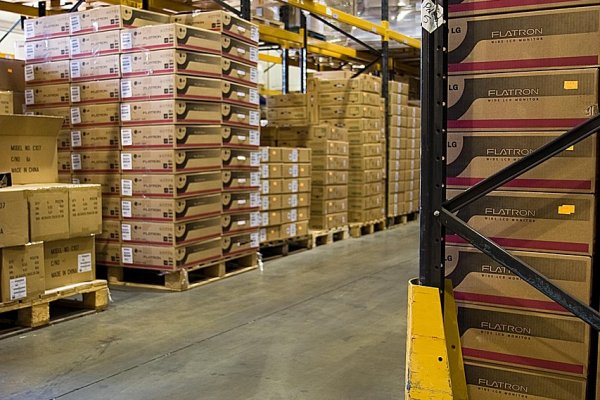
The Evolution of Racking Storage in Modern Warehousing
The landscape of warehouse storage and logistics has undergone a remarkable transformation in recent years. As e-commerce continues its exponential growth and customer expectations for rapid delivery intensify, businesses from Manchester to global markets are reimagining their approach to racking storage systems. Whether you're managing inventory for FedEx shipments, organizing products for Amazon FBA fulfillment, or operating a regional distribution center, the efficiency of your racking storage directly impacts your bottom line.
Modern racking storage is no longer simply about stacking boxes on shelves. It represents a sophisticated ecosystem where physical infrastructure meets digital intelligence, creating warehouses that are faster, smarter, and more cost-effective than ever before.
Understanding Racking Storage Systems: The Foundation of Efficient Warehousing
At its core, racking storage refers to the structural framework used to store materials and products in warehouses and distribution centers. However, contemporary racking systems have evolved far beyond basic shelving units. Today's solutions incorporate multiple design philosophies tailored to specific operational needs.
Types of Racking Storage Systems
- Selective Pallet Racking: The most common and versatile system, offering direct access to every pallet position
- Drive-In and Drive-Through Racking: High-density storage ideal for large quantities of similar products
- Push-Back Racking: Space-efficient systems using gravity to move pallets forward
- Cantilever Racking: Perfect for long, bulky items like timber or piping
- Mobile Racking Systems: Mounted on tracks, maximizing space utilization in premium real estate markets
The selection of appropriate racking storage depends on numerous factors including product characteristics, turnover rates, available space, and integration with technology systems like barcode scanning infrastructure.
Manchester's Warehouse Revolution: A Regional Perspective
Manchester has emerged as a strategic logistics hub in the United Kingdom, with its central location, excellent transport links, and proximity to major ports making it an ideal base for warehouse operations. The Greater Manchester area has witnessed significant investment in modern warehouse facilities equipped with state-of-the-art racking storage systems.
Regional businesses have recognized that efficient racking storage isn't just about maximizing cubic capacity—it's about creating intelligent workflows that reduce handling time, minimize errors, and accelerate order fulfillment. Manchester-based operations serving both domestic and international markets require racking systems that can adapt to fluctuating inventory levels while maintaining rapid access to fast-moving products.
The Manchester Logistics Advantage
Warehouses throughout the Manchester region benefit from several competitive advantages. The city's motorway network provides rapid access to the entire UK, while Manchester Airport offers direct freight connections worldwide. For businesses managing FedEx shipments or Amazon FBA inventory, this connectivity translates into faster delivery times and reduced transportation costs.
Many Manchester facilities have implemented vertical storage solutions to maximize their footprint, with racking systems extending upward to take full advantage of building height. This approach is particularly valuable in urban and suburban locations where horizontal expansion is cost-prohibitive or impossible.
FedEx Integration and Racking Storage Optimization
For businesses partnering with FedEx for shipping and logistics, warehouse racking storage design must accommodate the carrier's specific requirements and operational rhythms. FedEx operates on precise schedules, and warehouses must be organized to facilitate rapid order picking, packing, and staging for collection.
Effective racking storage for FedEx operations typically includes:
- Designated staging areas: Clear zones near loading docks for outbound FedEx shipments
- Logical product organization: High-frequency items positioned for quick access
- Clear aisle marking: Facilitating efficient movement of picking equipment
- Height optimization: Utilizing vertical space while maintaining safe access
- Flexible configurations: Adjustable racking that adapts to seasonal volume fluctuations
Many warehouses handling FedEx volumes have discovered that zone-based storage strategies combined with intelligent racking design can reduce order processing time by 30-40%, directly improving customer satisfaction and operational profitability.
Amazon FBA and Racking Storage: Meeting Marketplace Demands
The rise of Fulfillment by Amazon (FBA) has created unique challenges and opportunities for warehousing operations. Sellers using FBA must prepare inventory according to Amazon's stringent requirements before shipping products to Amazon fulfillment centers. This preparation process demands highly organized racking storage systems.
FBA-Optimized Warehouse Organization
Successful FBA sellers implement racking storage strategies that streamline their prep workflow. This includes creating dedicated zones for different stages of the FBA process:
- Receiving and inspection areas: Where incoming inventory is verified and checked
- Prep stations: For labeling, bagging, and bundling products
- Ready-to-ship storage: Organized racking for FBA-prepared inventory
- Returns processing: Space for evaluating and re-stocking returned items
The velocity of product movement in FBA operations demands racking systems that prioritize accessibility. Many FBA-focused warehouses utilize selective pallet racking for larger items while implementing shelving systems with smaller compartments for individual units, creating a hybrid approach that maximizes both density and accessibility.
Barcode Scanning Technology: The Digital Backbone of Modern Racking Storage
Perhaps no single innovation has transformed warehouse racking storage more profoundly than barcode scanning technology. This digital layer creates an intelligent connection between physical storage locations and warehouse management systems (WMS), enabling unprecedented accuracy and efficiency.
How Barcode Scanning Enhances Racking Storage
Modern barcode scanning systems integrate seamlessly with racking storage infrastructure to create several operational advantages:
Location Tracking: Each racking position receives a unique barcode identifier, allowing the WMS to track exactly where every product is stored. When a warehouse associate scans a location barcode, the system instantly confirms whether they're at the correct pick location, virtually eliminating picking errors.
Inventory Accuracy: Real-time barcode scanning during put-away and picking operations maintains perpetual inventory accuracy. This eliminates the need for disruptive full warehouse counts and provides management with reliable inventory data for decision-making.
Workflow Optimization: Scanning technology enables intelligent pick path optimization. The WMS can direct warehouse staff through the racking system following the most efficient route, reducing travel time and increasing picks per hour.
Quality Control: Barcode verification at multiple stages—receiving, put-away, picking, and shipping—creates checkpoints that catch errors before they reach customers. This is particularly critical for FedEx shipments and FBA inventory where accuracy directly impacts seller ratings and customer satisfaction.
Implementing Barcode Systems in Racking Storage
Successful barcode integration requires thoughtful planning during racking system design and installation. Key considerations include:
- Barcode placement: Labels must be positioned at comfortable scanning heights and angles
- Lighting conditions: Adequate illumination throughout the racking system for reliable scans
- Scanner technology selection: Choosing between handheld, vehicle-mounted, or wearable scanning devices
- Barcode durability: Using weather-resistant and abrasion-resistant labels in warehouse environments
- Standardization: Implementing consistent labeling conventions across all racking areas
Integrating Technology, Logistics, and Physical Infrastructure
The most successful warehouse operations recognize that racking storage systems don't exist in isolation. They function as part of an integrated ecosystem that includes technology platforms, carrier partnerships, and workforce management strategies.
A Manchester-based business shipping through FedEx while also managing Amazon FBA inventory illustrates this integration perfectly. Their racking storage must accommodate both workflows, with barcode scanning ensuring accuracy across both channels. The physical layout facilitates efficient picking for FedEx's collection schedule while maintaining organized FBA prep areas.
Future Trends in Racking Storage
The warehouse industry continues to evolve, with several emerging trends shaping the future of racking storage:
- Automation integration: Racking systems designed to work with automated guided vehicles (AGVs) and robotic picking systems
- IoT sensors: Smart racking with built-in sensors monitoring weight, temperature, and structural integrity
- Augmented reality: AR glasses providing visual guidance through racking systems, supplementing barcode scanning
- Sustainable materials: Eco-friendly racking components and energy-efficient warehouse designs
- Flexible modularity: Quick-reconfigure systems adapting to changing business needs
Conclusion: Building Your Racking Storage Strategy
Whether you're establishing a new warehouse in Manchester, optimizing an existing facility for FedEx efficiency, preparing inventory for Amazon FBA, or implementing barcode scanning technology, your racking storage system forms the foundation of operational success.
The investment in properly designed racking storage pays dividends through increased storage density, faster order fulfillment, reduced errors, and improved worker safety. As e-commerce continues to grow and customer expectations rise, businesses that prioritize intelligent warehouse infrastructure position themselves for sustainable competitive advantage.
By understanding the interplay between physical racking systems, digital technologies like barcode scanning, and logistics partnerships with carriers such as FedEx and platforms like Amazon FBA, warehouse operators can create efficient, accurate, and scalable operations ready for the demands of modern commerce.
The warehouses thriving today aren't simply storage facilities—they're sophisticated fulfillment engines where every element, from racking design to scanning technology, works in harmony to deliver exceptional results.


