

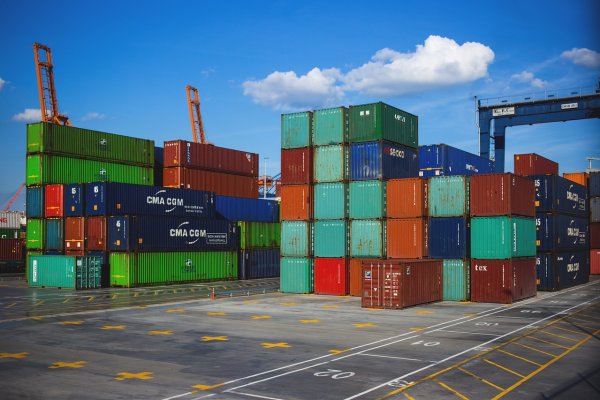
In today's global marketplace, businesses importing products from China face unique logistical challenges that demand efficient storage solutions. As B2B imports continue to surge and warehouse operations become increasingly sophisticated, racking storage systems have emerged as the backbone of successful distribution operations. Understanding how to leverage these systems alongside automation technology can mean the difference between profitable operations and costly inefficiencies.
The Critical Role of Racking Storage in Modern B2B Operations
Racking storage systems represent far more than simple shelving units. They form the organizational infrastructure that enables businesses to maximize vertical space, improve inventory accuracy, and accelerate order fulfillment processes. For companies importing goods from China, these systems become particularly crucial when managing large volumes of products that arrive in container shipments.
The typical B2B import scenario involves receiving substantial quantities of goods in periodic shipments. Without proper racking storage, businesses quickly find themselves overwhelmed by inventory management challenges, damaged products, and inefficient use of expensive warehouse real estate. Strategic racking implementation transforms chaotic storage into organized, accessible, and scalable systems that grow alongside your business.
Types of Racking Systems for Import Operations
Different racking systems serve distinct purposes in the import storage ecosystem:
- Selective Pallet Racking: The most common system, offering direct access to every pallet position, ideal for businesses with diverse product ranges from multiple Chinese suppliers
- Drive-In Racking: High-density storage for large quantities of identical products, perfect for bulk imports with lower SKU variety
- Push-Back Racking: Combines density with selectivity, allowing LIFO inventory management for products with longer shelf lives
- Cantilever Racking: Designed for long, bulky items like furniture or building materials commonly imported from China
- Pallet Flow Racking: Gravity-fed systems supporting FIFO operations, essential for time-sensitive products
Shipping from China: Storage Considerations Begin Before Arrival
Effective racking storage planning actually begins long before containers leave Chinese ports. Understanding your shipping from China patterns, product dimensions, and order profiles directly influences which racking systems will serve your operation best.
Chinese manufacturers often optimize packaging for container efficiency rather than warehouse storage. This reality requires B2B importers to consider repackaging strategies or select racking systems that accommodate non-standard pallet sizes. Communication with your Chinese suppliers about pallet dimensions, stacking heights, and product weights ensures your racking infrastructure can properly support incoming inventory.
Container Unloading and Direct-to-Rack Strategies
The most efficient operations create streamlined processes that move products from container to racking system with minimal handling. This approach reduces labor costs, minimizes damage, and accelerates inventory availability. Consider these best practices:
- Design receiving areas adjacent to racking systems to minimize travel distances
- Implement cross-docking procedures for high-velocity items that ship quickly after arrival
- Use staging areas for quality inspection without disrupting racking system flow
- Coordinate container delivery schedules with warehouse capacity to prevent bottlenecks
- Label products at the receiving dock using racking location identifiers
B2B Integration: Racking Systems as Data Infrastructure
Modern B2B operations demand more than physical storage—they require intelligent inventory management that integrates racking systems with digital platforms. Today's racking solutions incorporate barcode systems, RFID technology, and warehouse management software (WMS) that transforms storage locations into data points.
For businesses importing from China, this integration provides unprecedented visibility into inventory status from the moment containers are unloaded. B2B customers expect real-time inventory accuracy, and racking systems equipped with location tracking enable businesses to deliver on these expectations. When a customer places an order, your system instantly identifies the exact racking location, optimizing picker routes and reducing fulfillment times.
Connecting Racking Systems to B2B Platforms
Integration between racking storage and B2B e-commerce platforms creates seamless operations. Modern warehouse management systems communicate directly with:
- B2B ordering portals that reserve inventory as customers place orders
- ERP systems tracking product costs from Chinese suppliers through final sale
- Transportation management platforms coordinating outbound shipping
- Customer relationship management tools providing delivery updates
- Analytics platforms identifying slow-moving products occupying premium racking space
Automation: The Future of Racking Storage Systems
Warehouse automation represents the most significant evolution in racking storage technology, fundamentally changing how businesses manage imports from China. Automated storage and retrieval systems (AS/RS) combine sophisticated racking structures with robotic technology, creating highly efficient, space-optimized storage solutions.
For B2B importers, automation addresses several critical challenges simultaneously. Labor shortages, rising wage costs, and accuracy requirements make automated racking systems increasingly attractive investments. These systems operate continuously without fatigue, dramatically increasing throughput while reducing errors that damage customer relationships.
Levels of Racking Automation
Automation implementation exists on a spectrum, allowing businesses to adopt technology matching their operational scale and budget:
Basic Automation: Incorporating pick-to-light systems, conveyor integration, and automated guided vehicles (AGVs) that transport products to and from static racking systems. This entry-level automation improves efficiency without requiring complete infrastructure overhaul.
Intermediate Automation: Goods-to-person systems where robotic shuttles retrieve items from high-density racking and deliver them to stationary picking stations. This approach dramatically increases picking speed while allowing workers to remain in ergonomic positions.
Advanced Automation: Fully automated facilities where AS/RS systems manage entire racking structures. Robotic cranes navigate vertical storage towers, selecting and retrieving pallets based on algorithmic optimization. These systems maximize cubic space utilization and operate in environments unsuitable for human workers.
Cost-Benefit Analysis: Investing in Racking Infrastructure
For businesses importing from China, racking storage represents a significant capital investment that requires careful financial analysis. However, the costs of inadequate storage solutions often exceed the investment in proper systems.
Consider these financial factors when evaluating racking systems:
- Space Utilization: Vertical racking can triple storage capacity within existing facilities, deferring or eliminating expensive warehouse expansion
- Labor Efficiency: Organized racking reduces picking times by 30-50%, directly impacting operational costs
- Inventory Accuracy: Proper storage systems reduce shrinkage and misplaced inventory that erodes margins
- Product Protection: Appropriate racking prevents damage to imported goods, protecting your investment in Chinese products
- Scalability: Modular racking grows with your import volume without facility relocation
ROI Timeline for Automated Racking Systems
While automation requires substantial upfront investment, B2B importers typically achieve return on investment within 3-5 years through combined savings in labor, space, and accuracy improvements. Businesses experiencing rapid growth or operating in high-wage markets often see faster returns.
Selecting Racking Solutions for Your Import Business
Choosing appropriate racking storage requires analyzing your specific import patterns from China and B2B operational requirements. Consider partnering with warehouse design consultants who can evaluate your product mix, order profiles, and growth projections to recommend optimal configurations.
Key considerations include:
- Product Characteristics: Size, weight, fragility, and shelf life of imported goods
- Order Profiles: Whether you fulfill large wholesale orders or mixed-SKU B2B shipments
- Throughput Requirements: Daily receiving and shipping volumes
- Seasonality: Fluctuations in import volumes requiring flexible storage
- Growth Trajectory: Anticipated changes in product lines or import volumes
Future-Proofing Your Storage Infrastructure
As B2B commerce evolves and shipping from China adapts to changing trade dynamics, your racking storage systems must remain flexible. Modular designs, scalable automation, and technology-ready infrastructure ensure your storage investment continues delivering value as your business grows.
The convergence of racking storage, automation technology, and B2B integration creates unprecedented opportunities for import businesses. Companies that strategically invest in these systems position themselves to capitalize on growing demand while maintaining the operational efficiency required in competitive markets.
Whether you're just beginning to import from China or optimizing established operations, your racking storage strategy deserves careful attention. These systems form the foundation upon which successful B2B distribution operations are built, making them one of the most impactful investments in your logistical infrastructure.


