

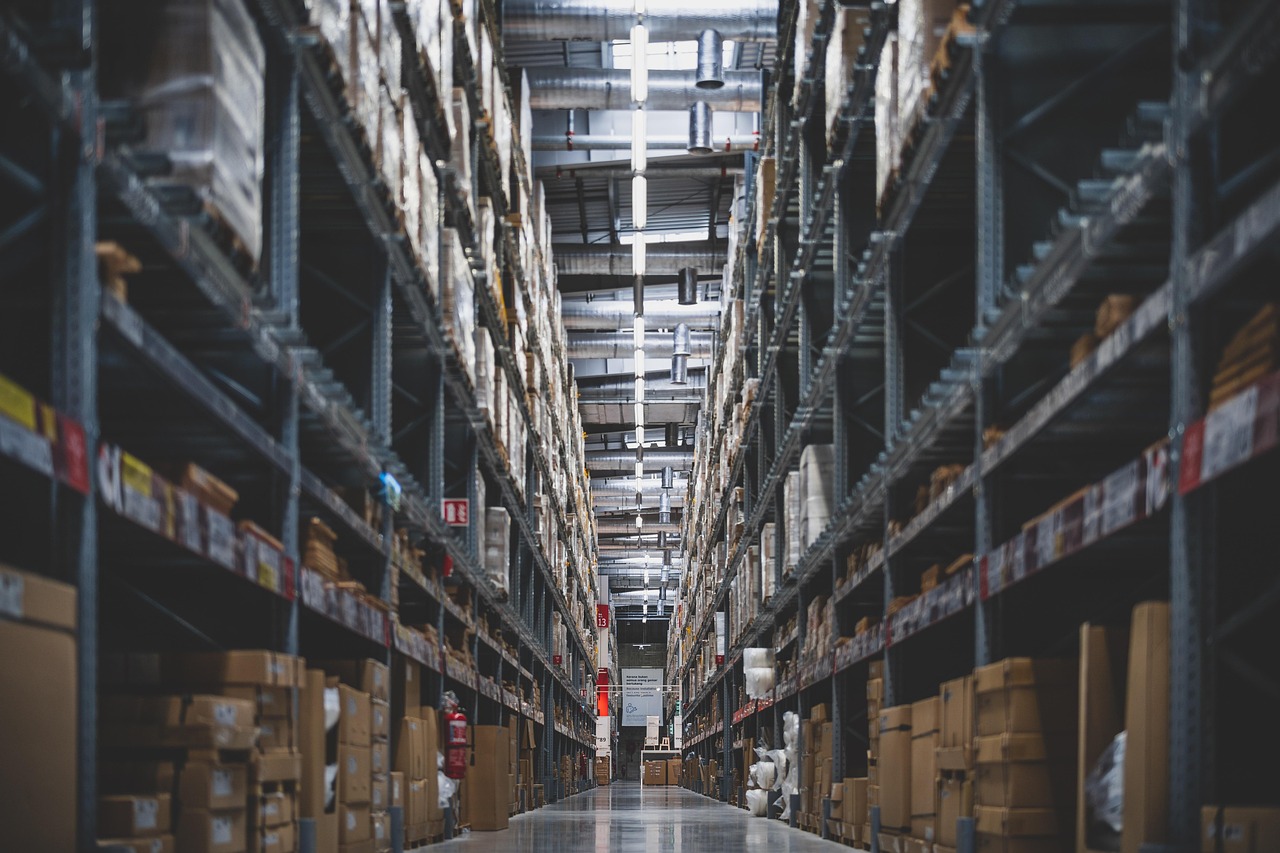
In today's fast-paced global economy, warehouses serve as the critical nerve centers of commerce, connecting manufacturers, distributors, and consumers in an intricate dance of logistics. These massive facilities have evolved far beyond simple storage spaces into sophisticated operations that integrate cutting-edge technology, streamlined processes, and strategic planning to keep goods flowing efficiently across the supply chain.
The Evolution of Modern Warehouse Operations
Contemporary warehouses bear little resemblance to the dusty storage facilities of decades past. Today's distribution centers function as dynamic hubs where products are received, sorted, stored, picked, packed, and shipped with remarkable precision and speed. The transformation has been driven by technological advances, globalization pressures, and ever-increasing consumer expectations for fast, accurate delivery.
Understanding the multifaceted nature of warehouse operations requires examining four critical pillars that support successful logistics: inventory management, international imports handling, comprehensive safety protocols, and transportation coordination. Together, these elements create a seamless system that powers modern commerce.
Mastering Inventory Management in the Digital Age
Effective inventory management represents the heart of any successful warehouse operation. The ability to track, organize, and control stock levels directly impacts customer satisfaction, operational costs, and overall business profitability.
Technology-Driven Inventory Solutions
Modern warehouses deploy sophisticated Warehouse Management Systems (WMS) that provide real-time visibility into inventory levels, locations, and movements. These systems utilize barcode scanning, RFID technology, and increasingly, Internet of Things (IoT) sensors to maintain accurate stock counts and streamline operations.
- Automated tracking systems that update inventory in real-time as goods move through the facility
- Predictive analytics that forecast demand patterns and optimize stock levels
- Mobile scanning devices that enable workers to locate and manage products efficiently
- Cloud-based platforms that provide stakeholders with instant access to inventory data
- Integration capabilities that connect warehouse systems with suppliers and customers
Strategic Inventory Placement and Organization
Beyond technology, strategic organization plays a crucial role in inventory management efficiency. Successful warehouses implement proven methodologies such as ABC analysis, which categorizes inventory based on value and turnover rates. High-velocity items receive prime placement near packing stations, while slower-moving products occupy less accessible locations.
The implementation of cross-docking strategies further optimizes inventory flow by transferring incoming goods directly to outbound vehicles with minimal storage time. This approach reduces handling costs, minimizes storage requirements, and accelerates delivery timelines—particularly valuable for perishable goods or time-sensitive shipments.
Navigating the Complexities of Import Operations
As global trade continues to expand, warehouses increasingly serve as crucial gateways for imported goods entering domestic markets. Managing international shipments requires specialized knowledge, meticulous documentation, and coordination with multiple agencies and partners.
Customs Compliance and Documentation
Import operations demand strict adherence to customs regulations and documentation requirements. Warehouses handling international goods must maintain accurate records of product origins, classifications, and valuations. Bonded warehouses offer particular advantages, allowing importers to defer duty payments until goods enter the domestic market, thereby improving cash flow and providing flexibility for distribution planning.
Modern import-focused warehouses employ specialized staff trained in international trade compliance, ensuring that all shipments meet regulatory requirements and avoiding costly delays or penalties.
Quality Control and Inspection Processes
Upon arrival, imported goods undergo thorough inspection to verify condition, quantity, and compliance with specifications. This critical quality control step protects businesses from accepting damaged or incorrect shipments and ensures customers receive products meeting established standards.
- Physical inspection for damage or defects
- Verification of product quantities against shipping manifests
- Sampling and testing for quality assurance
- Documentation of any discrepancies or issues
- Coordination with suppliers for resolution of problems
Prioritizing Safety in Warehouse Environments
Warehouse safety represents both a moral imperative and a business necessity. These facilities present numerous hazards—from heavy machinery and towering storage racks to constant activity and potential for accidents. Comprehensive safety programs protect workers, reduce liability, and maintain operational continuity.
Essential Safety Protocols and Training
Effective warehouse safety begins with thorough employee training. Workers must understand proper lifting techniques, equipment operation procedures, emergency response protocols, and hazard identification. Regular refresher courses ensure that safety remains top-of-mind and that employees stay current with evolving best practices.
Key safety elements include:
- Personal protective equipment (PPE) requirements including hard hats, safety shoes, and high-visibility vests
- Equipment certification programs for forklift operators and other machinery users
- Clear signage and floor markings designating pedestrian walkways and hazard zones
- Regular safety audits identifying and addressing potential risks
- Incident reporting systems that track accidents and near-misses for continuous improvement
Facility Design and Maintenance
Safety considerations must inform warehouse design and ongoing maintenance. Adequate lighting, properly maintained flooring, secure racking systems, and well-organized layouts all contribute to safer working conditions. Fire prevention measures, including sprinkler systems, fire extinguishers, and clearly marked emergency exits, provide crucial protection for personnel and inventory.
Regular maintenance schedules ensure that equipment remains in safe operating condition, while systematic inspections identify potential structural issues before they become hazardous.
Coordinating Efficient Transportation and Distribution
The warehouse's role extends beyond storage to encompass sophisticated transportation coordination that connects inbound shipments with outbound deliveries. This logistics orchestration ensures products reach their destinations on time and in optimal condition.
Inbound Transportation Management
Efficient inbound logistics require careful scheduling of delivery appointments to prevent dock congestion and ensure adequate receiving capacity. Advanced warehouses implement dock management systems that optimize arrival times, assign appropriate receiving locations, and coordinate personnel and equipment availability.
Collaboration with carriers establishes performance metrics and service level expectations, while diversified transportation partnerships provide flexibility and competitive pricing options.
Outbound Shipping Optimization
Outbound transportation presents equally complex challenges. Warehouses must select appropriate carriers, optimize load configurations, consolidate shipments when possible, and ensure accurate documentation accompanies each delivery. Transportation Management Systems (TMS) evaluate multiple factors—including cost, speed, reliability, and special handling requirements—to determine optimal shipping solutions.
Strategic approaches to outbound logistics include:
- Route optimization software that minimizes transit times and fuel costs
- Load consolidation strategies that maximize vehicle capacity utilization
- Multi-modal transportation planning combining truck, rail, air, and ocean freight
- Real-time tracking capabilities providing visibility throughout the delivery process
- Performance monitoring systems evaluating carrier reliability and service quality
The Integrated Warehouse: Where All Elements Converge
The most successful warehouse operations recognize that inventory management, import handling, safety protocols, and transportation coordination function as interdependent elements of a unified system. Integration across these domains creates synergies that drive efficiency, reduce costs, and enhance service quality.
For example, real-time inventory visibility enables more accurate transportation planning, while safety initiatives that reduce accidents maintain operational continuity and protect valuable inventory. Import expertise ensures smooth customs clearance, preventing delays that ripple through transportation schedules and inventory availability.
Looking Toward the Future
The warehouse industry continues evolving rapidly, with emerging technologies promising even greater capabilities. Automation and robotics increasingly handle repetitive tasks, artificial intelligence optimizes decision-making, and blockchain technology enhances supply chain transparency and security.
However, technology alone cannot guarantee success. The human element remains essential—skilled workers, effective management, and organizational commitment to excellence ultimately determine whether warehouses fulfill their potential as engines of commerce.
Conclusion
Modern warehouses represent far more than simple storage facilities. They function as complex operational centers where inventory management precision, import operations expertise, unwavering safety commitment, and transportation coordination excellence converge to power global commerce. Organizations that master these interconnected elements position themselves for competitive advantage in an increasingly demanding marketplace.
As supply chains grow more complex and customer expectations continue rising, the warehouse's strategic importance will only increase. Success requires ongoing investment in technology, training, and process improvement—supported by a culture that values efficiency, safety, and continuous innovation. The warehouses that thrive in coming years will be those that embrace this comprehensive approach, recognizing that excellence in logistics operations forms the foundation of business success.


