

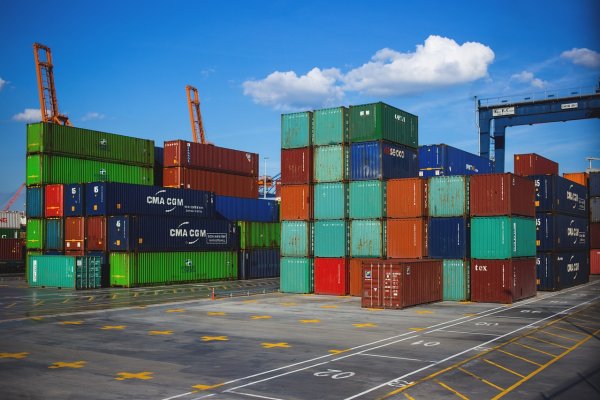
The modern warehouse has evolved from a simple storage facility into a sophisticated nerve center of global commerce. Today's warehouses are technological powerhouses that facilitate everything from individual eBay sales to massive international exports, partnering with logistics giants like FedEx to move goods across continents. Cities like Manchester have emerged as critical hubs in this transformation, combining strategic location with cutting-edge infrastructure to support the demands of 21st-century trade.
The Evolution of Warehouse Operations in the Digital Age
Warehouses have undergone a remarkable transformation over the past two decades. What were once purely storage spaces have become dynamic fulfillment centers that integrate seamlessly with digital platforms and global supply chains. This evolution has been driven by the explosive growth of e-commerce, the globalization of trade, and advances in logistics technology.
Modern warehouses now feature sophisticated inventory management systems, automated picking and packing equipment, and real-time tracking capabilities that would have been unimaginable just twenty years ago. These facilities serve as the critical link between sellers and buyers, whether those transactions happen on eBay, through traditional retail channels, or via B2B export arrangements.
Technology-Driven Warehouse Management
Contemporary warehouse operations rely heavily on warehouse management systems (WMS) that coordinate every aspect of inventory control, order fulfillment, and shipping logistics. These systems integrate with e-commerce platforms, carrier services, and enterprise resource planning software to create a seamless flow of information and goods.
eBay and the Warehouse Revolution
The relationship between eBay and modern warehousing represents a perfect case study in how e-commerce has reshaped logistics. When eBay launched in 1995, most sellers operated from spare rooms and garages. Today, successful eBay businesses often require professional warehouse facilities to manage inventory, process orders efficiently, and meet customer expectations for fast shipping.
eBay Fulfillment Services and Warehouse Integration
Many professional eBay sellers have scaled their operations by partnering with third-party logistics providers who operate specialized warehouses. These facilities offer:
- Inventory storage with climate control and security systems
- Pick and pack services that process orders quickly and accurately
- Integration with eBay's platform for automatic order processing
- Returns management to handle the complexities of reverse logistics
- Multi-channel fulfillment allowing sellers to manage eBay alongside other platforms
This warehouse infrastructure has enabled individual entrepreneurs and small businesses to compete with major retailers by offering similar fulfillment speeds and reliability. An eBay seller in Manchester, for example, can now offer next-day delivery across the UK and efficient international shipping by leveraging professional warehouse services.
Warehouses as Export Enablers
Global trade depends on an efficient network of warehouses that facilitate the movement of goods across borders. Export-focused warehouses provide specialized services that address the unique challenges of international commerce, including customs documentation, compliance with international regulations, and coordination with freight forwarders and shipping lines.
Strategic Location and Export Success
Warehouses positioned near ports, airports, and major transportation corridors offer significant advantages for export operations. These facilities can receive goods from manufacturers, consolidate shipments, prepare export documentation, and move products quickly to international destinations. The proximity to transportation infrastructure reduces transit times and costs while improving reliability.
Value-Added Services for Exporters
Modern export warehouses offer services that go beyond simple storage:
- Customs brokerage assistance to navigate complex international regulations
- Packaging and labeling to meet destination country requirements
- Quality inspection before goods leave for international markets
- Consolidation services that combine multiple shipments for cost efficiency
- Documentation preparation including commercial invoices and certificates of origin
The FedEx Partnership Model
The relationship between warehouses and carriers like FedEx exemplifies the integrated nature of modern logistics. FedEx operates its own massive warehouse network while also partnering with independent warehouses to create a comprehensive distribution system that spans the globe.
How Warehouses Integrate with FedEx Services
Many warehouses have established strategic partnerships with FedEx that benefit all parties involved. These collaborations typically include:
- On-site FedEx pickup services with scheduled daily collections
- Direct integration between warehouse management systems and FedEx shipping platforms
- Discounted shipping rates through volume commitments
- Access to FedEx's global network for international shipments
- Real-time tracking from warehouse to final destination
This integration allows warehouses to offer their clients—whether eBay sellers, exporters, or traditional businesses—reliable shipping solutions with end-to-end visibility. A package picked up from a Manchester warehouse by FedEx can be tracked continuously until it reaches a customer in Tokyo, Toronto, or anywhere else in the world.
FedEx Fulfillment Services
FedEx has also entered the warehouse and fulfillment market directly, operating facilities that provide comprehensive e-commerce solutions. These FedEx fulfillment centers handle inventory storage, order processing, and shipping, offering businesses a one-stop solution for their logistics needs.
Manchester: A Strategic Warehouse Hub
Manchester has emerged as one of the United Kingdom's most important logistics centers, with a thriving warehouse sector that serves both domestic and international markets. The city's success as a warehouse hub stems from several key factors that make it ideal for modern logistics operations.
Geographic and Infrastructure Advantages
Manchester's location in the heart of England provides exceptional connectivity to the rest of the UK and beyond. The city benefits from:
- Proximity to major UK population centers enabling fast delivery times
- Manchester Airport, one of the UK's busiest cargo airports
- Excellent motorway connections including the M60, M62, and M6
- Rail freight terminals connecting to ports and other major cities
- The Port of Liverpool nearby for maritime shipping
Manchester's Modern Warehouse Facilities
The Manchester area hosts numerous state-of-the-art warehouse developments that cater to diverse business needs. These facilities range from massive distribution centers operated by major retailers to specialized warehouses serving e-commerce businesses, exporters, and logistics providers.
Key warehouse zones around Manchester include the Airport City logistics park, the Trafford Park industrial estate (one of Europe's largest), and newer developments in areas like Bolton and Warrington. These locations offer modern buildings equipped with advanced technology, sustainable design features, and flexible spaces that can accommodate businesses of all sizes.
The E-Commerce Boom in Manchester
Manchester has particularly benefited from the e-commerce explosion, with many online retailers and marketplace sellers choosing the city for their warehouse operations. The combination of affordable space compared to southern England, excellent infrastructure, and a skilled workforce has made Manchester attractive to businesses ranging from eBay power sellers to major e-commerce corporations.
The Future of Warehouse Operations
The warehouse sector continues to evolve rapidly, driven by technological innovation and changing consumer expectations. Several trends are shaping the future of warehouse operations:
Automation and Robotics
Warehouses are increasingly deploying automated systems and robotics to improve efficiency and accuracy. These technologies include automated guided vehicles, robotic picking systems, and AI-powered inventory management that optimizes storage and retrieval processes.
Sustainability Initiatives
Modern warehouses are embracing environmentally sustainable practices, including solar panels, LED lighting, rainwater harvesting, and electric vehicle charging stations. Companies like FedEx have committed to carbon-neutral operations, driving demand for green warehouse facilities.
Last-Mile Delivery Solutions
Urban warehouses and micro-fulfillment centers are emerging to support faster delivery times. These smaller facilities, located closer to consumers, enable same-day and next-day delivery that has become expected in e-commerce, particularly for platforms like eBay.
Conclusion
Modern warehouses represent far more than simple storage spaces—they are sophisticated logistics hubs that power global commerce. Whether facilitating eBay sales, enabling international exports, partnering with carriers like FedEx, or anchoring regional economies in cities like Manchester, warehouses play an indispensable role in connecting businesses with customers worldwide.
As e-commerce continues to grow and global trade becomes increasingly complex, the importance of efficient, technology-enabled warehouse operations will only increase. Cities and regions that invest in warehouse infrastructure and logistics capabilities will be well-positioned to thrive in the interconnected economy of the future. The warehouse sector's ongoing evolution demonstrates that in our digital age, the physical infrastructure of commerce remains as critical as ever.


