

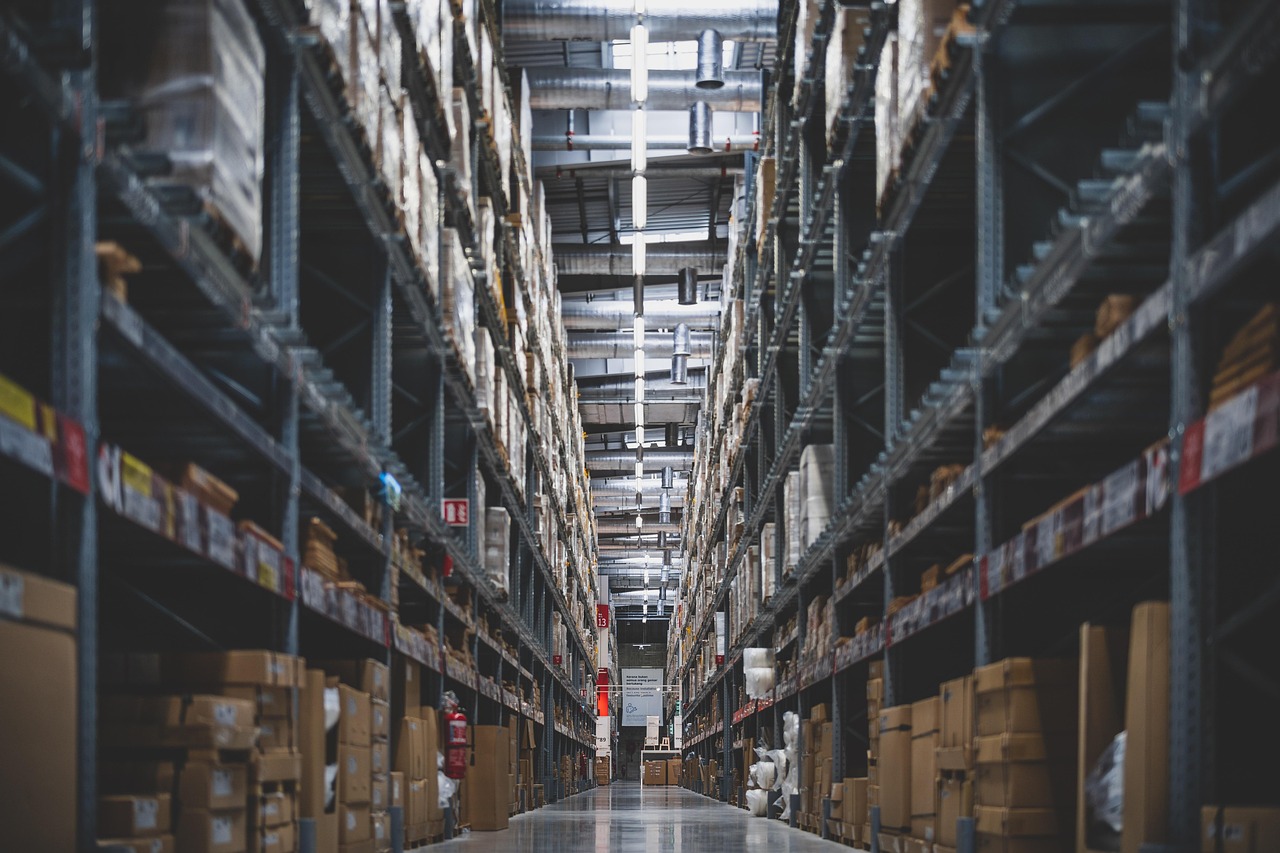
Warehouses serve as the backbone of global commerce, functioning as critical nodes in supply chains that connect manufacturers, distributors, and consumers. In today's competitive business landscape, successful warehouse operations require a delicate balance of efficient inventory management, strict adherence to regulations, comprehensive safety protocols, and increasing commitment to sustainability. Understanding these interconnected elements is essential for businesses looking to optimize their warehousing operations and remain competitive in an evolving marketplace.
The Foundation of Effective Inventory Management
Inventory management stands at the core of warehouse operations, directly impacting profitability, customer satisfaction, and operational efficiency. Modern warehouses have evolved far beyond simple storage facilities, becoming sophisticated operations centers that leverage technology and strategic planning to optimize product flow.
Core Principles of Warehouse Inventory Control
Accurate inventory tracking prevents costly errors such as stockouts, overstocking, and misplaced items. Today's warehouses employ various methodologies to maintain optimal inventory levels:
- Just-In-Time (JIT) inventory: Minimizes storage costs by receiving goods only as needed for production or distribution
- ABC analysis: Categorizes inventory based on value and turnover rates, ensuring high-priority items receive appropriate attention
- First-In-First-Out (FIFO): Prevents product obsolescence by ensuring older stock moves out before newer arrivals
- Cycle counting: Provides continuous inventory verification without requiring complete facility shutdowns
Technology-Driven Inventory Solutions
The digital transformation of warehousing has revolutionized inventory management capabilities. Warehouse Management Systems (WMS) now serve as the central nervous system of modern facilities, providing real-time visibility into stock levels, locations, and movements. These sophisticated platforms integrate with barcode scanners, RFID technology, and increasingly, Internet of Things (IoT) sensors to create a comprehensive picture of inventory status.
Artificial intelligence and machine learning algorithms have introduced predictive capabilities that help warehouse managers anticipate demand fluctuations, optimize stock levels, and reduce carrying costs. Some advanced facilities now employ automated guided vehicles (AGVs) and robotic picking systems that work in harmony with human workers to maximize throughput while minimizing errors.
Navigating the Complex Regulatory Landscape
Warehouse operations exist within a framework of local, national, and international regulations designed to protect workers, consumers, and the environment. Compliance isn't merely a legal obligation—it's a fundamental component of responsible business operations that builds trust with customers and partners.
Key Regulatory Areas for Warehouses
Understanding and implementing proper regulatory compliance requires attention to multiple domains:
- Occupational Safety and Health Administration (OSHA) standards: In the United States, OSHA establishes workplace safety requirements covering everything from forklift operation to hazard communication
- Environmental regulations: Facilities must comply with proper waste disposal, chemical storage, and emissions standards established by the Environmental Protection Agency (EPA) and state authorities
- Product-specific regulations: Warehouses handling food, pharmaceuticals, or hazardous materials face additional requirements from agencies like the FDA or DOT
- Building codes and fire safety: Local regulations govern structural requirements, fire suppression systems, and emergency egress routes
- Labor laws: Compliance with wage and hour laws, break requirements, and employee rights protections remains essential
Maintaining Compliance Through Systematic Approaches
Successful regulatory compliance requires proactive planning rather than reactive responses. Leading warehouses establish dedicated compliance teams or officers responsible for monitoring regulatory changes, conducting regular audits, and implementing necessary updates to policies and procedures.
Documentation plays a crucial role in demonstrating compliance. Warehouses must maintain detailed records of safety training, equipment inspections, incident reports, and operational procedures. Many facilities now use digital compliance management systems that automate record-keeping, schedule required inspections, and alert managers to approaching deadlines.
Creating a Culture of Safety in Warehouse Operations
Warehouse environments present numerous potential hazards, from heavy machinery operation to ergonomic challenges associated with repetitive tasks. A comprehensive safety program protects employees while simultaneously reducing costs associated with injuries, equipment damage, and operational disruptions.
Common Warehouse Safety Hazards
Identifying potential risks represents the first step toward mitigation. Typical warehouse hazards include:
- Material handling equipment accidents: Forklifts, pallet jacks, and conveyor systems require proper training and maintenance
- Slips, trips, and falls: Cluttered aisles, wet floors, and poor lighting contribute to common injuries
- Ergonomic injuries: Repetitive motions, awkward postures, and heavy lifting can cause musculoskeletal disorders
- Falling objects: Improperly secured loads or damaged racking systems pose serious risks
- Hazardous materials exposure: Some warehouses handle chemicals, flammables, or other dangerous substances
Implementing Effective Safety Programs
Excellence in warehouse safety requires a multi-faceted approach that combines engineering controls, administrative policies, and personal protective equipment (PPE). Regular safety training ensures all employees understand proper procedures, from new hire orientation through ongoing refresher courses on specific topics.
Leading warehouses empower workers to participate in safety initiatives through reporting systems for near-misses and hazards, safety committees that include floor-level employees, and recognition programs that celebrate safe behaviors. This participatory approach creates a sense of shared responsibility where safety becomes everyone's priority rather than simply a management mandate.
Investment in proper equipment maintenance prevents many accidents before they occur. Scheduled inspections of forklifts, racking systems, fire suppression equipment, and material handling tools identify potential failures before they cause injuries or property damage.
Embracing Sustainability in Modern Warehousing
Environmental responsibility has evolved from a optional consideration to a business imperative driven by consumer preferences, investor expectations, and the urgent need to address climate change. Sustainable warehousing practices often deliver the dual benefit of reducing environmental impact while improving operational efficiency and lowering costs.
Energy Efficiency and Renewable Resources
Warehouses typically consume substantial energy for lighting, climate control, and material handling equipment. Modern facilities implement various strategies to reduce this consumption:
- LED lighting systems: Reduce electricity usage by up to 75% compared to traditional fixtures while providing superior illumination
- Solar panel installations: Transform large roof surfaces into renewable energy generators that can offset significant portions of electricity costs
- High-efficiency HVAC systems: Advanced climate control technology with smart thermostats optimizes temperature management
- Natural lighting: Skylights and translucent panels reduce daytime lighting needs
- Motion sensors and automation: Ensure lights and equipment operate only when necessary
Waste Reduction and Circular Economy Principles
Sustainable warehouses minimize waste through comprehensive recycling programs, reusable packaging systems, and partnerships with suppliers committed to reducing packaging materials. Many facilities now implement reverse logistics programs that efficiently process returned products for resale, refurbishment, or recycling rather than disposal.
Water conservation measures, such as rainwater collection systems for landscape irrigation and low-flow fixtures in restrooms, reduce consumption of this precious resource. Some advanced facilities even incorporate constructed wetlands or bioswales that naturally filter stormwater runoff.
Sustainable Building Design and Green Certifications
New warehouse construction increasingly incorporates sustainable design principles from the ground up. LEED (Leadership in Energy and Environmental Design) certification provides a framework for creating high-performance green buildings that use resources more efficiently.
Features like cool roofing materials that reflect sunlight, strategic building orientation that maximizes natural ventilation, and permeable paving surfaces that reduce runoff demonstrate how thoughtful design creates lasting environmental benefits. Electric vehicle charging stations for both company fleets and employee vehicles support the transition away from fossil fuel-powered transportation.
The Integrated Approach to Warehouse Excellence
The most successful warehouses recognize that inventory management, regulatory compliance, safety, and sustainability aren't separate concerns but rather interconnected elements of operational excellence. For example, a well-organized inventory system with clearly marked aisles improves both efficiency and safety by reducing congestion and confusion. Energy-efficient lighting enhances visibility, supporting both safety goals and sustainability objectives.
Investment in employee training creates workers who understand not only how to perform their jobs efficiently but also how to do so safely, in compliance with regulations, and with consideration for environmental impact. This holistic perspective transforms warehouses from simple storage facilities into strategic assets that contribute to competitive advantage.
Looking Toward the Future
As technology continues advancing and stakeholder expectations evolve, warehouses will face ongoing pressure to improve performance across all dimensions. Emerging technologies like autonomous mobile robots, drone inventory systems, and blockchain-based tracking solutions promise to further transform warehouse operations in coming years.
Success in this dynamic environment requires commitment to continuous improvement, willingness to invest in both technology and people, and recognition that excellence in warehousing demands attention to the full spectrum of operational considerations. Warehouses that embrace this comprehensive approach will position themselves to thrive in an increasingly competitive and environmentally conscious marketplace.


