

The logistics industry is experiencing a remarkable transformation driven by technological innovation, evolving workforce needs, and the constant demand for operational efficiency. Today's logistics professionals must navigate a complex landscape where traditional warehousing meets cutting-edge digital solutions, social media marketing intersects with supply chain management, and employee development becomes crucial for competitive advantage.
The Critical Role of Workforce Training in Modern Logistics
As logistics operations become increasingly sophisticated, workforce training has emerged as a cornerstone of successful supply chain management. The industry faces a significant skills gap, with technological advancements outpacing the availability of trained professionals who can effectively utilize modern systems and equipment.
Building a Future-Ready Logistics Team
Effective workforce training in logistics extends far beyond basic operational procedures. Today's training programs must encompass:
- Technology literacy: Familiarity with warehouse management systems, inventory tracking software, and automated equipment
- Safety protocols: Comprehensive understanding of OSHA regulations, proper equipment handling, and emergency procedures
- Data analysis skills: Ability to interpret logistics metrics and make data-driven decisions
- Customer service excellence: Training in communication, problem-solving, and client relationship management
- Continuous improvement methodologies: Lean principles, Six Sigma, and efficiency optimization techniques
Organizations investing in comprehensive training programs report reduced error rates, improved employee retention, and enhanced operational efficiency. The initial investment in workforce development consistently yields substantial returns through decreased turnover costs and increased productivity.
Innovative Training Approaches
Modern logistics companies are embracing diverse training methodologies to accommodate different learning styles and operational demands. Virtual reality simulations allow workers to practice complex procedures in safe environments, while microlearning modules deliver bite-sized training content that fits seamlessly into busy work schedules. Mentorship programs pair experienced professionals with new employees, facilitating knowledge transfer and fostering organizational culture.
TikTok: An Unexpected Logistics Marketing Powerhouse
While TikTok might seem an unlikely platform for logistics companies, forward-thinking organizations are leveraging this social media giant to transform their recruitment, marketing, and customer engagement strategies. With over one billion active users globally, TikTok offers unprecedented reach to demographics traditionally difficult to engage through conventional channels.
Recruiting Tomorrow's Logistics Workforce
The logistics industry has long struggled with image problems, often perceived as unglamorous by younger generations. TikTok provides a dynamic platform to showcase the technological sophistication, career advancement opportunities, and innovative culture within modern logistics operations.
Successful logistics companies on TikTok create content that:
- Highlights day-in-the-life experiences of employees across different roles
- Showcases cutting-edge warehouse technology and automation
- Celebrates team achievements and company culture
- Explains complex logistics concepts in entertaining, accessible formats
- Provides behind-the-scenes glimpses of operations
Building Brand Awareness and Customer Loyalty
Beyond recruitment, logistics companies utilize TikTok to demystify their operations for customers and build brand recognition. Short videos explaining how orders are processed, packed, and shipped create transparency that customers value. When shipping delays occur, companies can use the platform to communicate challenges and solutions directly to their audience, building trust through authenticity.
Several third-party logistics providers have successfully used TikTok to showcase their capabilities, attracting both B2B clients and end consumers who appreciate the complexity behind seamless delivery experiences.
Magento Integration: Streamlining E-Commerce Logistics
Magento, one of the world's leading e-commerce platforms, plays a pivotal role in modern logistics operations. As online shopping continues its explosive growth, the integration between e-commerce platforms and logistics systems has become absolutely critical for operational success.
Seamless Order Fulfillment
Effective Magento integration enables logistics operations to automatically receive order information, inventory updates, and customer data in real-time. This seamless flow of information eliminates manual data entry, reduces errors, and accelerates order processing from minutes to seconds.
Advanced integrations connect Magento stores with:
- Warehouse management systems for inventory synchronization
- Shipping carrier APIs for automated label generation and tracking
- Customer relationship management platforms for enhanced service
- Returns management systems for streamlined reverse logistics
- Analytics tools for performance monitoring and optimization
Inventory Management Excellence
One of the most challenging aspects of e-commerce logistics is maintaining accurate inventory across multiple channels. Magento integration allows for real-time inventory synchronization, preventing overselling and ensuring customers can only purchase products actually available for shipment.
Multi-location inventory management becomes particularly powerful when properly integrated. Companies operating multiple warehouses can automatically route orders to the optimal fulfillment location based on inventory availability, shipping costs, and delivery timeframes, significantly reducing shipping expenses and delivery times.
Scalability for Growing Operations
As businesses expand, their logistics requirements become increasingly complex. Magento's flexibility allows companies to start with basic shipping functionality and progressively add sophisticated features as their operations grow. This scalability ensures that the technology infrastructure supports rather than constrains business development.
Racking Storage: The Foundation of Efficient Warehousing
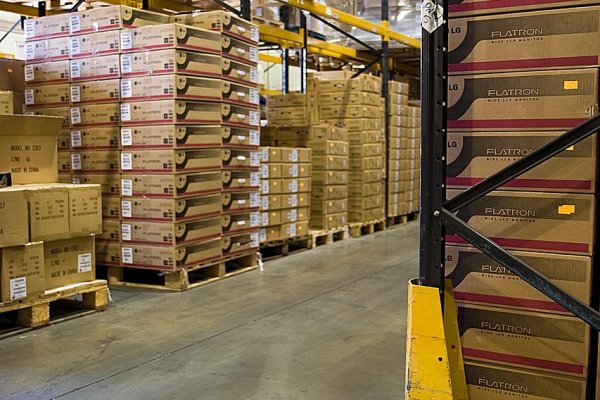
While digital systems capture attention, racking storage remains the physical foundation upon which efficient logistics operations are built. The right storage solution dramatically impacts warehouse capacity, operational efficiency, worker safety, and ultimately, profitability.
Types of Racking Systems
Modern warehouses employ various racking configurations tailored to their specific inventory characteristics and operational requirements:
Selective pallet racking offers direct access to every pallet, making it ideal for operations requiring frequent access to diverse SKUs. This most common racking type provides excellent flexibility but lower storage density compared to other systems.
Drive-in and drive-through racking maximizes storage density by allowing forklifts to drive directly into the rack structure. These systems work best for operations handling large quantities of the same SKU with lower turnover rates.
Push-back racking combines space efficiency with reasonable selectivity, using carts on inclined rails that allow pallets to be stored multiple positions deep while maintaining LIFO inventory management.
Cantilever racking excels at storing long, bulky items like lumber, pipes, or furniture without the front columns that would obstruct access in traditional racking.
Optimizing Warehouse Space
Effective racking design considers multiple factors beyond simple storage capacity. Vertical space utilization often represents the greatest opportunity for capacity expansion without facility enlargement. Modern warehouses increasingly feature very narrow aisle (VNA) configurations that maximize storage density while requiring specialized handling equipment.
Strategic racking placement creates efficient workflows that minimize travel distances, reduce handling times, and improve overall productivity. High-velocity items should occupy easily accessible locations, while slower-moving inventory can be stored in less convenient areas.
Safety and Compliance Considerations
Proper racking installation and maintenance are critical safety concerns. Regular inspections identify damaged components before they cause failures, while load capacity placards ensure workers don't exceed safe weight limits. Employee training on proper loading techniques and equipment operation prevents accidents and extends racking lifespan.
Integrating These Elements for Logistics Excellence
The true power of modern logistics emerges when these seemingly disparate elements work in harmony. Well-trained employees operate efficiently within optimized warehouse spaces, utilizing integrated technology platforms to fulfill orders generated through multiple channels, while the company attracts both customers and talent through innovative marketing approaches.
Companies that excel in logistics recognize that sustainable competitive advantage requires simultaneous investment across all these areas. A sophisticated Magento integration means little if warehouse staff lack proper training. Similarly, the most efficient racking configuration cannot overcome poor technology integration or an inadequate workforce.
Looking Toward the Future
The logistics industry will continue evolving at an accelerating pace. Emerging technologies like artificial intelligence, robotics, and Internet of Things sensors will create new opportunities and challenges. Organizations that prioritize workforce development, embrace innovative marketing channels, invest in integrated technology platforms, and optimize their physical infrastructure position themselves for continued success in this dynamic industry.
By understanding how workforce training, social media marketing, e-commerce integration, and physical storage solutions interconnect, logistics professionals can build resilient, efficient operations capable of meeting tomorrow's challenges while delivering exceptional service today.


