

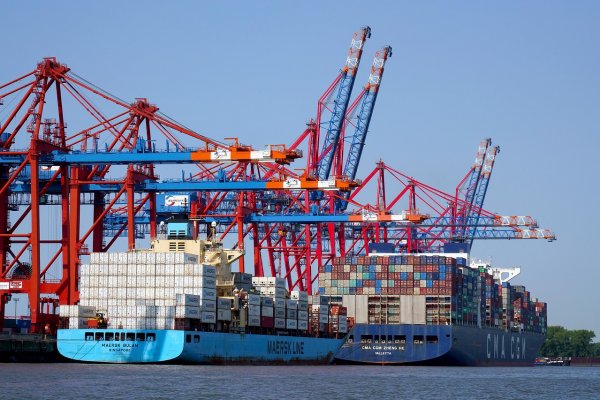
The Evolution of Modern Logistics Management
In today's interconnected global economy, logistics management has transformed from a simple transportation function into a complex, technology-driven discipline that demands precision, compliance, and innovation. Organizations worldwide are discovering that effective logistics operations require a delicate balance between regulatory compliance, supply chain optimization, technological integration, and environmental responsibility.
The logistics industry now stands at a critical crossroads where traditional practices meet cutting-edge technology, and where economic pressures intersect with sustainability imperatives. Understanding how these elements work together is essential for any business seeking to remain competitive in the modern marketplace.
Navigating the Complex World of Logistics Regulations
Logistics regulations form the backbone of safe, secure, and legal transportation and storage operations across borders and jurisdictions. These rules govern everything from driver working hours to hazardous materials handling, and their complexity continues to grow as global trade expands.
International Compliance Requirements
Companies operating in international logistics must navigate a labyrinth of regulations that vary significantly by country and region. The International Commercial Terms (Incoterms) provide a standardized framework, but businesses must also contend with:
- Customs documentation and tariff classifications
- Import and export licensing requirements
- Product safety and labeling standards
- Transportation security regulations
- Cross-border data transfer restrictions
Domestic Regulatory Frameworks
Within national borders, logistics providers face equally demanding regulatory environments. In the United States, for example, the Department of Transportation (DOT) enforces strict hours-of-service rules for drivers, while the Occupational Safety and Health Administration (OSHA) sets workplace safety standards for warehouses and distribution centers.
Similarly, the European Union's transport regulations emphasize driver welfare, vehicle emissions standards, and cabotage rules that limit foreign carriers' domestic operations. Compliance failures can result in significant penalties, operational disruptions, and reputational damage that far exceed the cost of implementing proper compliance systems.
The Role of Technology in Regulatory Compliance
Modern logistics companies increasingly rely on digital compliance tools to manage regulatory requirements efficiently. Electronic logging devices (ELDs) automatically track driver hours, while compliance management software provides real-time updates on changing regulations across multiple jurisdictions. This technological approach not only reduces the risk of violations but also streamlines auditing processes and documentation management.
Optimizing Supply Chain Performance in Modern Logistics
The supply chain represents the entire network of organizations, resources, activities, and technologies involved in moving products from suppliers to end customers. Effective logistics management serves as the operational engine that keeps this complex system running smoothly.
End-to-End Supply Chain Visibility
One of the most significant challenges in modern logistics is achieving complete visibility across the entire supply chain. Organizations need real-time information about inventory levels, shipment locations, production schedules, and demand patterns to make informed decisions. Advanced tracking technologies, including:
- Radio-frequency identification (RFID) tags
- GPS tracking systems
- Internet of Things (IoT) sensors
- Blockchain-enabled tracking platforms
These technologies enable unprecedented transparency, allowing logistics managers to identify bottlenecks, predict delays, and proactively address potential disruptions before they impact customers.
Managing Supply Chain Complexity
Today's supply chains span multiple continents, involve countless partners, and must adapt to rapidly changing market conditions. Logistics coordination becomes exponentially more complex when managing global networks with diverse transportation modes, varying lead times, and multiple handoff points.
Successful organizations adopt a systems thinking approach that considers how changes in one part of the supply chain ripple through the entire network. They invest in collaborative planning tools that enable seamless communication between suppliers, manufacturers, distributors, and retailers, ensuring that everyone operates from the same information and toward shared objectives.
Risk Management and Resilience
Recent global events have highlighted the vulnerability of extended supply chains to disruption. Forward-thinking logistics professionals now prioritize supply chain resilience, developing strategies such as:
- Diversifying supplier bases to reduce dependency on single sources
- Maintaining strategic inventory buffers for critical components
- Developing alternative transportation routes and modes
- Creating contingency plans for various disruption scenarios
- Building stronger relationships with key logistics partners
Warehouse Management Systems: The Digital Backbone of Modern Logistics
A Warehouse Management System (WMS) represents the technological foundation upon which efficient logistics operations are built. These sophisticated software platforms orchestrate the complex dance of receiving, storing, picking, packing, and shipping products with remarkable precision and efficiency.
Core WMS Capabilities
Modern WMS platforms offer far more than simple inventory tracking. They provide comprehensive functionality that transforms warehouse operations:
- Inventory optimization: Real-time tracking of stock levels, locations, and movement histories
- Order management: Automated order processing, picking optimization, and fulfillment tracking
- Labor management: Task assignment, productivity monitoring, and performance analytics
- Space utilization: Intelligent slotting algorithms that maximize storage efficiency
- Integration capabilities: Seamless connections with ERP, transportation management, and e-commerce systems
The ROI of WMS Implementation
While implementing a WMS requires significant investment, the returns typically justify the expense. Organizations report inventory accuracy improvements from 60-70% to 95-99%, picking productivity increases of 20-40%, and dramatic reductions in fulfillment errors. These improvements translate directly to cost savings, improved customer satisfaction, and enhanced competitive positioning.
Cloud-Based WMS Solutions
The shift toward cloud-based WMS platforms has democratized access to sophisticated warehouse management capabilities. Small and medium-sized businesses can now leverage enterprise-grade functionality without massive capital expenditures or extensive IT infrastructure. Cloud solutions offer rapid deployment, automatic updates, scalability, and the flexibility to adapt quickly to changing business requirements.
Sustainability: The Future of Responsible Logistics
Environmental sustainability has evolved from a nice-to-have consideration to a business imperative in logistics. Consumers, regulators, and investors increasingly demand that companies demonstrate genuine commitment to reducing their environmental impact.
The Environmental Impact of Logistics
The logistics sector contributes significantly to global carbon emissions, with transportation alone accounting for approximately 24% of energy-related CO2 emissions worldwide. Warehouses consume vast amounts of energy, while packaging materials generate substantial waste. Addressing these impacts requires comprehensive strategies that touch every aspect of logistics operations.
Sustainable Transportation Strategies
Forward-thinking logistics providers are implementing numerous initiatives to reduce transportation-related emissions:
- Transitioning to electric and alternative-fuel vehicles for last-mile delivery
- Optimizing route planning to minimize empty miles and fuel consumption
- Increasing load factors through better capacity utilization
- Shifting freight from air and road to more efficient rail and maritime transport where feasible
- Implementing driver training programs focused on fuel-efficient driving techniques
Green Warehousing Practices
Sustainable warehouse operations encompass multiple dimensions of environmental responsibility. Energy efficiency initiatives include LED lighting, solar panel installations, efficient HVAC systems, and motion-sensor controls. Water conservation, waste reduction, and recycling programs further minimize environmental footprints.
Some organizations pursue green building certifications such as LEED (Leadership in Energy and Environmental Design) for their facilities, demonstrating commitment to sustainable construction and operational practices.
Circular Economy Integration
The concept of the circular economy is reshaping logistics operations by emphasizing reuse, refurbishment, and recycling over linear "take-make-dispose" models. Reverse logistics capabilities enable companies to recover value from returned products, manage end-of-life product disposal responsibly, and support remanufacturing initiatives.
The Integrated Future of Logistics
The most successful logistics organizations recognize that regulations, supply chain optimization, technology implementation, and sustainability initiatives are not separate concerns but interconnected elements of a holistic operational strategy. A WMS that provides detailed data enables better regulatory compliance reporting. Supply chain visibility supports both efficiency improvements and emissions reduction efforts. Sustainable practices often generate cost savings that improve competitive positioning.
As logistics continues evolving, professionals who understand these connections and can orchestrate them effectively will drive their organizations toward greater success. The future belongs to companies that view compliance as opportunity, technology as enabler, sustainability as imperative, and integration as strategy.
Whether you're managing a small regional distribution center or coordinating global supply chains, embracing these principles positions your logistics operations for long-term success in an increasingly complex and demanding business environment. The journey toward logistics excellence requires commitment, investment, and continuous improvement, but the rewards—operational efficiency, regulatory compliance, customer satisfaction, and environmental responsibility—make it a journey worth taking.


