

The Backbone of Modern Supply Chains
In today's fast-paced commercial environment, logistics operations form the critical infrastructure that keeps businesses running smoothly. From the moment a product leaves the manufacturing line to its arrival at the customer's doorstep, every step requires meticulous planning, coordination, and execution. At the heart of this complex ecosystem lie three fundamental pillars: packaging, palletisation, and warehouse management systems—each playing a vital role in ensuring goods move efficiently through the supply chain.
The logistics sector has evolved dramatically over the past decade, driven by e-commerce growth, globalisation, and technological innovation. Nowhere is this transformation more evident than in regional hubs like Nottingham, where strategic location and excellent transport links have created a thriving logistics community. Understanding how these core elements work together provides valuable insights into modern supply chain management and reveals opportunities for businesses to optimise their operations.
The Critical Role of Packaging in Logistics
Packaging serves multiple purposes beyond simply containing products. It acts as the first line of defense against damage during transit, communicates essential information, and increasingly reflects a company's commitment to sustainability. Strategic packaging decisions can significantly impact logistics costs, product integrity, and customer satisfaction.
Protection and Preservation
The primary function of logistics packaging is protecting goods throughout their journey. This involves selecting appropriate materials that can withstand the rigours of handling, stacking, transportation, and storage. Different products require different approaches—fragile electronics need cushioning and shock absorption, while perishable goods demand temperature-controlled packaging solutions.
Modern packaging solutions incorporate advanced materials such as:
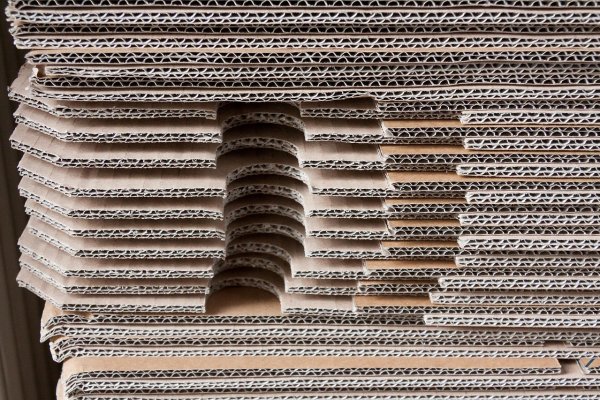
- Corrugated cardboard with varying flute sizes for different strength requirements
- Biodegradable foam alternatives providing protection while reducing environmental impact
- Vacuum-sealed packaging for space efficiency and product preservation
- Smart packaging with integrated sensors monitoring conditions during transit
- Tamper-evident seals ensuring security and authenticity
Optimisation for Efficiency
Beyond protection, packaging must be optimised for logistics efficiency. Oversized packaging wastes space, increases shipping costs, and contributes to environmental concerns. Right-sizing packaging—using appropriately dimensioned containers that minimise void fill—reduces transportation costs and improves load efficiency. This approach has become particularly important as fuel costs rise and sustainability becomes a competitive differentiator.
Sustainability Considerations
Today's packaging strategies must balance protection with environmental responsibility. Many logistics operations are transitioning to recyclable, biodegradable, or reusable packaging materials. This shift not only reduces environmental impact but also resonates with increasingly eco-conscious consumers and helps companies meet regulatory requirements and corporate sustainability goals.
Palletisation: The Foundation of Efficient Material Handling
Once products are packaged, palletisation becomes the next critical step in creating efficient logistics operations. This process involves arranging packaged goods onto pallets—standardised platforms that facilitate mechanical handling, storage, and transportation. Proper palletisation transforms individual packages into unitised loads that can be moved quickly and safely.
Standardisation and Its Benefits
The adoption of standard pallet sizes, particularly the EUR-pallet (1200mm x 800mm) widely used across Europe and the UK pallet (1200mm x 1000mm), has revolutionised logistics efficiency. Standardisation enables:
- Seamless integration with material handling equipment
- Optimised warehouse storage configurations
- Efficient loading of transport vehicles
- Simplified inventory management and tracking
- Reduced handling time and labour costs
Palletisation Patterns and Load Stability
The arrangement of packages on a pallet significantly affects load stability and space utilisation. Common palletisation patterns include block, brick, pinwheel, and split-row configurations, each offering different advantages depending on package dimensions and weight distribution. Professional palletisation ensures loads remain stable during handling and transit, preventing product damage and workplace accidents.
Advanced Palletisation Technologies
Modern logistics facilities increasingly employ automated palletisation systems that use robotics and artificial intelligence to optimise load patterns, improve consistency, and increase throughput. These systems can handle mixed-product pallets, accommodate varying package sizes, and adjust patterns in real-time based on downstream requirements—capabilities that manual palletisation cannot match at scale.
Warehouse Management Systems: The Digital Brain of Logistics
While packaging and palletisation address the physical aspects of logistics, Warehouse Management Systems (WMS) provide the digital intelligence that orchestrates modern supply chain operations. These sophisticated software platforms have transformed warehouses from simple storage facilities into dynamic, data-driven distribution centres.
Core WMS Functionality
A comprehensive WMS manages virtually every aspect of warehouse operations, including:
- Receiving and putaway: Directing incoming goods to optimal storage locations based on product characteristics, demand patterns, and storage capacity
- Inventory management: Providing real-time visibility of stock levels, locations, and conditions across the entire facility
- Order processing: Optimising picking routes and methods to maximise efficiency and accuracy
- Shipping and dispatch: Coordinating loading, documentation, and carrier management
- Labour management: Tracking productivity, allocating tasks, and identifying improvement opportunities
Integration and Visibility
Modern WMS platforms integrate seamlessly with other business systems including Enterprise Resource Planning (ERP), Transportation Management Systems (TMS), and e-commerce platforms. This integration creates end-to-end supply chain visibility, enabling businesses to respond quickly to changes, optimise inventory levels, and provide customers with accurate delivery information.
Advanced WMS Capabilities
Today's leading WMS solutions incorporate artificial intelligence and machine learning to predict demand patterns, optimise warehouse layouts, and suggest process improvements. These systems can automatically adjust slotting strategies—the placement of products within the warehouse—based on seasonal variations, promotional activities, and changing order profiles, ensuring operations remain efficient as business conditions evolve.
Nottingham: A Logistics Hub of Excellence
The city of Nottingham and its surrounding region has emerged as a significant logistics centre in the United Kingdom, benefiting from exceptional strategic advantages. Located in the heart of England with excellent access to major motorway networks—including the M1, M42, and A1—Nottingham serves as an ideal distribution point reaching 90% of the UK population within four hours.
Infrastructure and Investment
The region boasts world-class logistics infrastructure, including extensive warehouse facilities, multimodal transport connections, and proximity to East Midlands Airport. Recent years have seen substantial investment in logistics parks and distribution centres, attracting major retailers, manufacturers, and third-party logistics providers who recognise the location's strategic value.
Innovation and Technology Adoption
Nottingham's logistics sector has embraced technological innovation, with many facilities implementing advanced WMS platforms, automated handling systems, and sustainable practices. The presence of leading universities and research institutions has fostered a culture of innovation, creating partnerships between academia and industry that drive continuous improvement in logistics operations.
Skilled Workforce and Training
The region's logistics success is underpinned by a skilled and adaptable workforce. Local training providers offer specialised logistics qualifications, ensuring businesses have access to trained professionals who understand modern supply chain operations, from packaging specialists to WMS administrators and logistics managers.
Integration: Where Packaging, Palletisation, and WMS Converge
The true power of modern logistics emerges when packaging, palletisation, and WMS work together as an integrated system. A sophisticated WMS considers packaging dimensions when calculating storage requirements and selecting picking methods. It coordinates palletisation based on order destinations, delivery schedules, and transport constraints. This holistic approach minimises handling, reduces costs, and improves service levels.
For example, a WMS might direct workers to build mixed pallets containing products for multiple customers on the same delivery route, optimising both warehouse efficiency and transportation costs. The system ensures compatible packaging types are grouped appropriately and that palletisation patterns maintain stability while maximising space utilisation.
Future Trends and Considerations
As logistics continues evolving, several trends are shaping the future of packaging, palletisation, and warehouse management. Sustainability will remain a driving force, with increasing emphasis on circular economy principles and carbon footprint reduction. Automation and robotics will expand beyond large facilities to smaller operations, making advanced capabilities accessible to more businesses.
The rise of omnichannel retailing demands greater flexibility from logistics operations, requiring systems that can efficiently handle both bulk B2B shipments and individual consumer orders. This complexity makes sophisticated WMS platforms even more essential, while packaging and palletisation strategies must accommodate diverse order profiles.
Conclusion
Modern logistics depends on the seamless integration of physical processes and digital systems. Effective packaging protects products while optimising costs and supporting sustainability goals. Professional palletisation creates stable, efficient unitised loads that flow smoothly through supply chains. Warehouse Management Systems provide the intelligence and coordination that transform these elements into competitive advantages.
For businesses operating in or considering locations like Nottingham, understanding these fundamental logistics components and their interactions is essential for building resilient, efficient supply chains capable of meeting today's demanding market requirements. By investing in optimised packaging, professional palletisation, and comprehensive WMS solutions, companies position themselves for success in an increasingly competitive and complex logistics landscape.


