

The Evolution of Distribution in the Digital Age
The distribution landscape has undergone a remarkable transformation over the past decade, driven by the explosive growth of ecommerce and evolving consumer expectations. Today's successful distribution operations require a sophisticated blend of physical infrastructure, intelligent software systems, and strategic partnerships to meet the demands of modern retail. Whether you're a growing online business or an established retailer expanding your digital presence, understanding the key components of effective distribution is essential for maintaining competitive advantage.
At the heart of efficient distribution lies four critical elements: optimised storage solutions, intelligent warehouse management systems, reliable carrier partnerships, and professional fulfilment services. Each of these components plays a vital role in ensuring products move seamlessly from manufacturer to customer, creating the frictionless experience that today's consumers expect.
Racking Storage: The Foundation of Efficient Warehousing
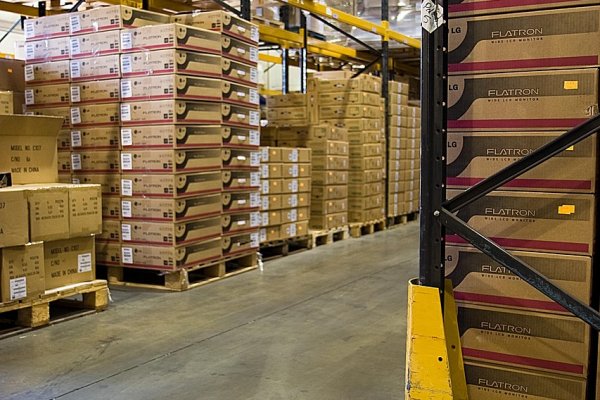
The physical organisation of warehouse space represents one of the most fundamental decisions affecting distribution efficiency. Racking storage systems form the backbone of warehouse operations, determining not only how much inventory can be stored but also how quickly and safely items can be accessed, picked, and dispatched.
Types of Racking Storage Solutions
Modern warehouses employ various racking configurations, each suited to different operational requirements:
- Selective Pallet Racking: The most common system, offering direct access to every pallet position. Ideal for operations requiring frequent access to diverse product lines.
- Drive-In Racking: High-density storage where forklifts drive directly into rack lanes. Perfect for storing large quantities of similar products.
- Push-Back Racking: Allows multiple pallets to be stored in depth whilst maintaining relatively easy access, balancing density with accessibility.
- Cantilever Racking: Designed for long, bulky items that don't fit standard pallet configurations, such as furniture or building materials.
- Mezzanine Systems: Creating additional storage levels within existing warehouse height, effectively doubling or tripling usable space.
Optimising Storage Density and Accessibility
The challenge facing distribution managers is balancing storage density against picking efficiency. Whilst high-density systems maximise the use of valuable warehouse space, they can slow retrieval times. The optimal solution depends on factors including inventory turnover rates, product variety, seasonal demand fluctuations, and order profiles.
Progressive warehouses increasingly adopt hybrid approaches, using high-density storage for slower-moving stock whilst reserving easily accessible selective racking for fast-moving items. This strategic zoning, informed by data analytics, ensures that the majority of picks can be completed quickly whilst still maintaining impressive overall storage capacity.
Warehouse Management Systems: The Digital Nervous System
If racking provides the physical structure of distribution, a Warehouse Management System (WMS) serves as its digital intelligence. These sophisticated software platforms have evolved from simple inventory tracking tools into comprehensive operational control centres that orchestrate every aspect of warehouse activity.
Core WMS Functionality
Modern WMS platforms deliver a comprehensive suite of capabilities that transform warehouse efficiency:
- Real-time Inventory Management: Precise tracking of stock levels, locations, and movements, eliminating discrepancies and reducing carrying costs.
- Intelligent Picking Optimization: Route planning that minimises travel time, groups compatible orders, and adapts to warehouse layout and resource availability.
- Receiving and Put-Away: Automated direction for incoming goods, suggesting optimal storage locations based on product characteristics and demand patterns.
- Order Processing: Seamless integration with ecommerce platforms and order management systems for automated fulfilment workflows.
- Labour Management: Performance tracking, task allocation, and productivity analytics that help optimise workforce deployment.
- Reporting and Analytics: Comprehensive dashboards providing visibility into operational metrics, enabling continuous improvement.
The ROI of WMS Implementation
Implementing a WMS represents a significant investment, but the returns are equally substantial. Businesses typically report accuracy improvements exceeding 99.5%, picking productivity increases of 25-50%, and dramatic reductions in training time for new staff. Perhaps most importantly, a WMS provides the scalability necessary for growth, allowing operations to handle increasing volumes without proportional increases in errors or costs.
Cloud-based WMS solutions have democratised access to sophisticated warehouse technology, enabling smaller operations to benefit from enterprise-grade functionality without prohibitive upfront capital investment. This accessibility has levelled the playing field, allowing nimble ecommerce businesses to compete with established players on operational efficiency.
Royal Mail: A Critical Distribution Partner
For UK-based distribution operations, Royal Mail remains an indispensable carrier partner, offering unparalleled domestic coverage and competitive international services. Understanding how to optimally integrate Royal Mail into your distribution strategy can significantly impact both costs and customer satisfaction.
Royal Mail Services for Business Distribution
Royal Mail offers a comprehensive portfolio of business services tailored to different distribution requirements:
- Tracked 24 and 48: Economical tracked services providing proof of delivery and compensation cover, ideal for standard ecommerce parcels.
- Special Delivery Guaranteed: Premium service with time-definite delivery and comprehensive insurance for high-value or time-sensitive items.
- International Services: From International Tracked to International Tracked & Signed, offering various speed and tracking options for global customers.
- Parcel Collect: Regular scheduled collections that eliminate trips to post offices, saving time and improving operational efficiency.
Integration and Automation
Modern WMS platforms seamlessly integrate with Royal Mail through APIs, enabling automated label generation, service selection based on order characteristics, and real-time tracking updates. This integration eliminates manual data entry, reduces errors, and provides customers with proactive shipping notifications that enhance the delivery experience.
For businesses processing significant volumes, Royal Mail's Click & Drop and OBA (Online Business Account) platforms provide discounted rates and bulk processing capabilities, whilst integration with 3PL providers offers access to even more competitive commercial rates through consolidated volumes.
3PL Ecommerce Fulfilment UK: Strategic Outsourcing
As ecommerce businesses scale, many reach an inflection point where in-house fulfilment becomes operationally or financially unsustainable. Third-Party Logistics (3PL) providers specialising in ecommerce fulfilment offer a compelling alternative, providing professional distribution services without the capital investment and operational complexity of self-managed warehousing.
The 3PL Value Proposition
Partnering with a specialist 3PL ecommerce fulfilment provider in the UK delivers multiple strategic advantages:
- Cost Efficiency: Shared infrastructure and consolidated carrier volumes deliver economies of scale impossible for individual businesses to achieve independently.
- Scalability: Flexible capacity accommodates seasonal peaks, promotional surges, and long-term growth without fixed overheads or lengthy lead times.
- Geographic Reach: Strategic warehouse locations reduce delivery times and costs, whilst international fulfilment centres enable global expansion.
- Expertise: Specialist knowledge in areas including customs compliance, returns management, and multichannel integration.
- Technology Access: Enterprise-grade WMS, automation equipment, and integration capabilities without capital investment.
- Focus: Freeing internal resources to concentrate on core competencies like product development, marketing, and customer acquisition.
Selecting the Right 3PL Partner
Not all 3PL providers are created equal, and selecting the right partner requires careful evaluation of several critical factors:
- Specialisation: Ecommerce fulfilment requires different capabilities than wholesale distribution. Seek providers with demonstrable ecommerce expertise.
- Technology Integration: Seamless connectivity with your ecommerce platform, marketplace channels, and customer service systems is non-negotiable.
- Carrier Relationships: Access to competitive rates with multiple carriers, including Royal Mail, and flexibility to select services based on specific order requirements.
- Performance Metrics: Transparent reporting on accuracy, speed, and quality with clearly defined service level agreements.
- Scalability: Demonstrated ability to accommodate growth, both in volumes and geographic expansion.
- Value-Added Services: Capabilities like kitting, customisation, gift wrapping, or returns processing that differentiate your customer experience.
Integrating the Distribution Ecosystem
The true power of modern distribution emerges when these elements work in concert. A well-designed racking system optimises the physical space, whilst a sophisticated WMS orchestrates the movement of goods through that space with maximum efficiency. Integration with Royal Mail and other carriers ensures reliable, cost-effective delivery, and strategic 3PL partnerships provide the flexibility and expertise to scale operations in response to market demands.
For businesses serious about ecommerce success, distribution excellence is no longer optional—it's a fundamental competitive requirement. Customer expectations continue to rise, with next-day delivery becoming standard and same-day delivery increasingly common in urban areas. Meeting these expectations whilst maintaining profitability requires operational sophistication that leverages the best available technology, infrastructure, and partnerships.
Future Trends in Distribution
The distribution landscape continues to evolve rapidly. Emerging technologies including robotics, artificial intelligence, and autonomous vehicles promise further efficiency gains. Sustainability considerations are driving innovations in packaging, route optimisation, and energy-efficient warehousing. Micro-fulfilment centres located closer to urban consumers enable ever-faster delivery whilst reducing transportation costs and environmental impact.
Businesses that stay abreast of these developments, continuously optimise their operations, and maintain flexibility in their distribution strategies will be best positioned to thrive in the dynamic ecommerce environment. Whether managing distribution in-house or partnering with specialist 3PLs, the fundamental principles remain constant: maximise efficiency, maintain accuracy, deliver exceptional customer experiences, and build scalability for future growth.
The distribution operations that succeed in this environment will be those that view it not merely as a cost centre to be minimised, but as a strategic capability that directly impacts customer satisfaction, operational efficiency, and ultimately, competitive positioning in an increasingly crowded marketplace.


