

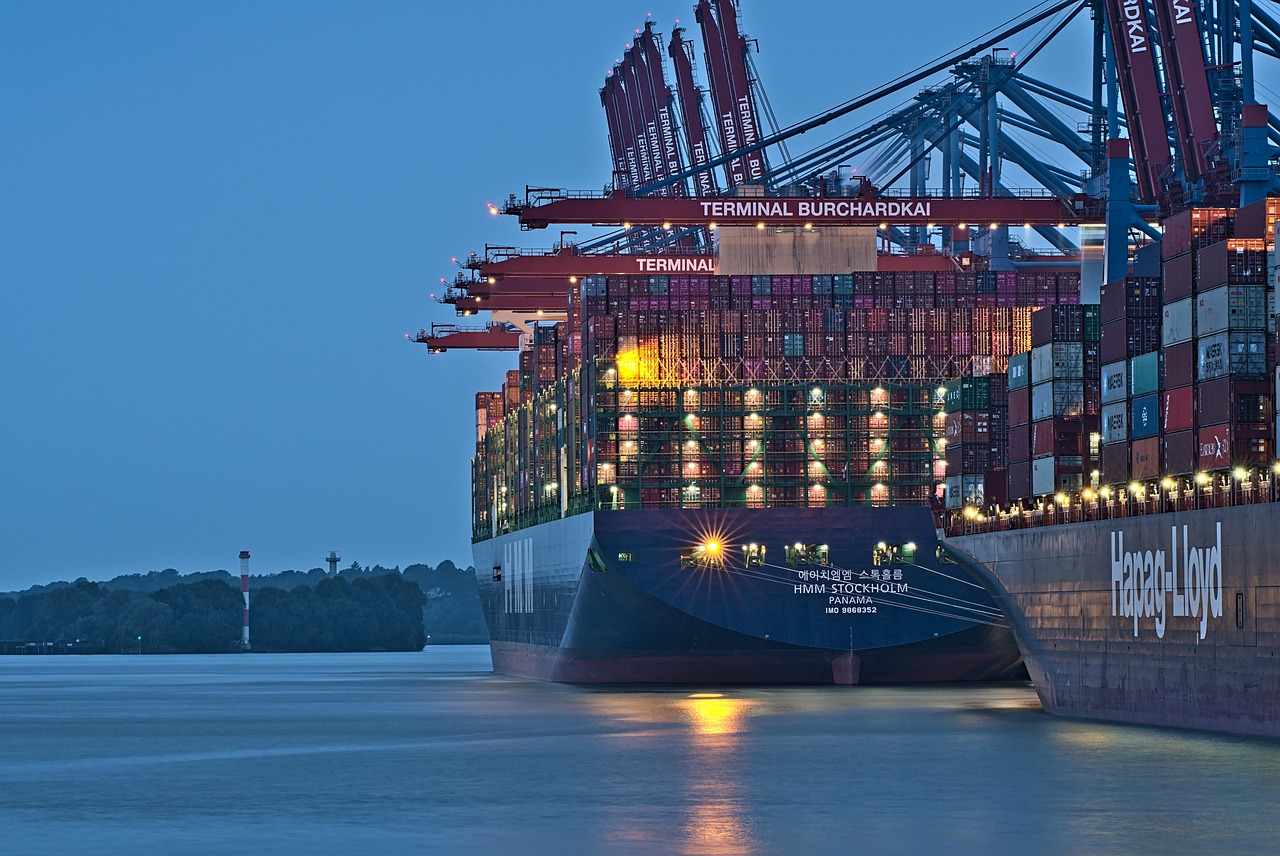
The Evolution of Modern Distribution Networks
The distribution industry stands at a critical crossroads where traditional practices meet innovative solutions. As global commerce expands and consumer expectations evolve, distribution networks must adapt to remain competitive. Today's distribution landscape requires a multifaceted approach that balances efficiency, sustainability, and human capital development while managing the complexities of international trade and transportation logistics.
Modern distribution encompasses far more than simply moving products from point A to point B. It represents a sophisticated ecosystem where workforce expertise, environmental responsibility, transportation optimization, and import management converge to create seamless supply chains that power the global economy.
Workforce Training: The Foundation of Distribution Excellence
The backbone of any successful distribution operation lies in its people. As technology reshapes the industry landscape, investing in comprehensive workforce training has become non-negotiable for organizations seeking to maintain competitive advantages.
Essential Skills for the Modern Distribution Workforce
Distribution professionals today require a diverse skill set that extends far beyond traditional warehousing knowledge. Training programs must address:
- Technology proficiency: Warehouse management systems (WMS), inventory tracking software, and automation interfaces
- Data analytics: Interpreting performance metrics and making data-driven decisions
- Safety protocols: Operating equipment safely and maintaining OSHA compliance
- Customer service: Understanding the end-to-end customer experience
- Problem-solving: Addressing disruptions and optimizing workflows in real-time
Implementing Effective Training Programs
Forward-thinking distribution centers are revolutionizing their training approaches through blended learning methodologies. These programs combine hands-on experience with digital learning platforms, creating flexible training environments that accommodate different learning styles and schedules.
Cross-training initiatives have proven particularly valuable, enabling workers to understand multiple aspects of distribution operations. This versatility not only improves operational flexibility but also enhances employee engagement by providing career development pathways and preventing monotony.
Many organizations now partner with community colleges and vocational schools to develop certification programs specifically tailored to distribution careers. These partnerships create talent pipelines while ensuring that training standards align with industry needs and technological advancements.
Sustainability in Distribution: A Business Imperative
Environmental consciousness has transitioned from optional initiative to business-critical requirement in the distribution sector. Companies face mounting pressure from consumers, regulators, and stakeholders to minimize their environmental footprint while maintaining operational efficiency.
Green Warehousing and Facility Management
Distribution centers represent significant opportunities for sustainability improvements. Modern facilities incorporate:
- Solar panel installations: Generating renewable energy to power operations
- LED lighting systems: Reducing energy consumption by up to 75% compared to traditional lighting
- Rainwater harvesting: Collecting and repurposing water for non-potable uses
- Smart HVAC systems: Optimizing heating and cooling based on occupancy and weather patterns
- Reflective roofing materials: Minimizing heat absorption and reducing cooling costs
Sustainable Packaging and Materials Management
Distribution operations generate substantial packaging waste, making materials management a critical sustainability focus. Progressive companies are implementing zero-waste initiatives that prioritize reusable containers, biodegradable packaging materials, and comprehensive recycling programs.
Right-sizing packaging has emerged as both an environmental and economic strategy. By using appropriately sized containers and minimizing void fill, distributors reduce material waste while optimizing transportation efficiency—fewer, fuller trucks mean lower emissions per unit shipped.
Carbon Footprint Measurement and Reduction
What gets measured gets managed. Leading distribution companies now employ sophisticated carbon accounting systems that track emissions across all operational aspects. This data-driven approach enables organizations to identify high-impact reduction opportunities and measure progress toward sustainability goals.
Many distributors are committing to science-based targets aligned with global climate objectives, demonstrating corporate responsibility while positioning themselves favorably with environmentally conscious customers and investors.
Transportation: Optimizing the Last Mile and Beyond
Transportation represents both the largest cost component and the most visible environmental impact of distribution operations. Innovations in this arena deliver substantial benefits across financial, environmental, and customer satisfaction dimensions.
Route Optimization and Load Planning
Advanced algorithms now enable dynamic route optimization that accounts for real-time traffic conditions, delivery windows, vehicle capacity, and fuel efficiency. These systems can reduce miles driven by 10-20% while improving on-time delivery performance.
Load planning software maximizes trailer utilization, ensuring vehicles operate at optimal capacity. This efficiency reduces the total number of trips required, directly impacting fuel consumption, labor costs, and emissions.
Fleet Modernization and Alternative Fuels
The transition to cleaner transportation technologies is accelerating across the distribution sector. Organizations are investing in:
- Electric delivery vehicles: Ideal for urban last-mile delivery with zero tailpipe emissions
- Compressed natural gas (CNG) trucks: Reducing greenhouse gas emissions by 15-20% compared to diesel
- Hybrid systems: Combining conventional and electric power for improved efficiency
- Hydrogen fuel cells: Emerging technology offering long-range capability with water as the only emission
Multi-Modal Transportation Strategies
Sophisticated distributors leverage multi-modal transportation approaches that combine trucking, rail, maritime, and air transport based on urgency, cost, and environmental considerations. Rail freight, for instance, produces 75% fewer emissions than trucking for equivalent loads over long distances.
Intermodal facilities that seamlessly transfer containers between transportation modes enable these strategies, creating flexibility while optimizing for cost and sustainability objectives.
Import Management: Navigating Global Complexity
As supply chains span continents, effective import management has become increasingly critical to distribution success. The complexities of international trade require specialized knowledge and sophisticated systems.
Customs Compliance and Documentation
Import operations demand meticulous attention to regulatory compliance. Classification errors, incomplete documentation, or tariff miscalculations can result in costly delays, penalties, and seized shipments. Training staff in customs procedures and harmonized tariff schedules prevents these disruptions.
Many distributors now employ customs brokers and trade compliance specialists who maintain current knowledge of evolving regulations across multiple jurisdictions. This expertise proves particularly valuable when regulations change rapidly, as seen during recent global trade policy shifts.
Strategic Sourcing and Supplier Relationships
Effective import management begins with strategic sourcing decisions. Distributors must evaluate suppliers not only on price but also on reliability, quality, sustainability practices, and geopolitical risk factors.
Diversifying the supplier base across multiple countries mitigates risk from regional disruptions, whether from natural disasters, political instability, or pandemic-related shutdowns. This geographic diversification requires more sophisticated management but provides crucial operational resilience.
Technology Integration for Import Visibility
Modern import management relies on technology platforms that provide end-to-end visibility from factory floor to distribution center. These systems track shipments in real-time, predict arrival times, identify potential delays, and automate documentation workflows.
Blockchain technology is emerging as a solution for secure, transparent documentation sharing among trading partners. This innovation reduces paperwork, accelerates customs clearance, and minimizes fraud risk in international transactions.
Integration: Creating Cohesive Distribution Strategies
The true power of modern distribution emerges when workforce development, sustainability initiatives, transportation optimization, and import management function as integrated components of a comprehensive strategy.
A well-trained workforce implements sustainable practices more effectively. Optimized transportation reduces both costs and environmental impact. Efficient import management ensures product availability while minimizing carrying costs. These elements reinforce each other, creating synergistic benefits that exceed the sum of individual improvements.
Technology as the Enabling Foundation
Digital transformation provides the connective tissue linking these distribution elements. Cloud-based platforms, artificial intelligence, Internet of Things sensors, and predictive analytics enable unprecedented coordination and optimization across the distribution network.
Organizations that successfully integrate these technologies while maintaining focus on human capital development position themselves as industry leaders prepared for whatever challenges and opportunities the future presents.
The Road Ahead: Future-Proofing Distribution Operations
The distribution industry continues evolving at an accelerating pace. Autonomous vehicles, drone delivery, robotic warehousing, and artificial intelligence promise to reshape operations fundamentally. However, the fundamental principles remain constant: efficient movement of goods, environmental stewardship, skilled workforce development, and effective global trade management.
Organizations that invest strategically across these dimensions—training their people, embracing sustainability, optimizing transportation, and mastering import complexities—will thrive in an increasingly competitive and environmentally conscious marketplace. The future of distribution belongs to those who recognize that success requires excellence across all operational dimensions, not just isolated improvements in individual areas.
As we look forward, the distribution sector stands poised to play a crucial role in building more sustainable, efficient, and resilient global supply chains that benefit businesses, consumers, and the planet alike.


