

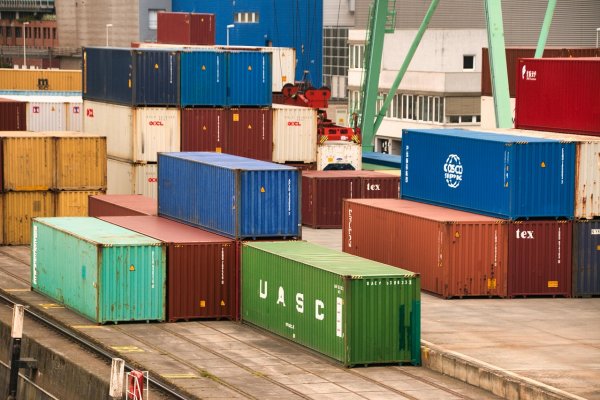
The Evolution of Modern Distribution Networks
The distribution industry has undergone a remarkable transformation in recent years, evolving from simple warehousing operations to sophisticated networks that drive global commerce. As businesses expand their reach and consumer expectations continue to rise, distribution centers have become critical hubs where efficiency, safety, and skilled personnel converge to keep products flowing seamlessly from manufacturers to end customers.
Today's distribution landscape faces unprecedented challenges: managing complex import processes, maintaining rigorous safety standards, optimizing operational efficiency, and developing a workforce capable of navigating increasingly technological environments. Understanding these interconnected elements is essential for any organization seeking to maintain competitive advantage in the modern marketplace.
Maximizing Efficiency in Distribution Operations
Efficiency stands as the cornerstone of successful distribution management. In an era where same-day delivery has become commonplace and inventory costs directly impact profitability, every second and every square foot matters. Modern distribution centers employ sophisticated strategies to optimize their operations and minimize waste throughout the supply chain.
Technology-Driven Optimization
The integration of advanced technology has revolutionized how distribution centers operate. Warehouse Management Systems (WMS) now coordinate complex operations with precision that would have been impossible just a decade ago. These systems track inventory in real-time, optimize picking routes, and predict demand patterns with remarkable accuracy.
- Automated Storage and Retrieval Systems (AS/RS) reduce retrieval times by up to 85% compared to manual operations
- Radio Frequency Identification (RFID) technology enables instantaneous inventory tracking and reduces counting errors
- Artificial Intelligence algorithms predict optimal stock levels and identify inefficiencies before they impact operations
- Robotics and automation handle repetitive tasks, allowing human workers to focus on complex problem-solving
Layout and Space Utilization
Strategic facility design significantly impacts operational efficiency. Modern distribution centers carefully consider product velocity, storage density, and workflow patterns when designing their layouts. Fast-moving items are positioned closer to shipping areas, while slower-moving inventory occupies less accessible locations. Vertical space utilization through high-bay racking systems maximizes storage capacity without expanding facility footprints.
Cross-docking operations have gained prominence as an efficiency-maximizing strategy, where incoming products are directly transferred to outbound transportation with minimal or no storage time. This approach reduces handling costs, minimizes inventory holding expenses, and accelerates delivery times.
Navigating the Complex World of Import Distribution
As global trade continues to expand, distribution centers increasingly serve as critical points in the import supply chain. Managing imported goods requires specialized knowledge and capabilities beyond traditional domestic distribution operations.
Customs Compliance and Documentation
Import distribution demands meticulous attention to regulatory compliance. Distribution centers handling international goods must navigate complex customs regulations, tariff classifications, and documentation requirements that vary by country of origin and product type. Non-compliance can result in costly delays, fines, and damaged customer relationships.
Successful import distribution operations maintain dedicated compliance teams who stay current with changing trade regulations, free trade agreements, and tariff schedules. They implement robust documentation systems that track certificates of origin, commercial invoices, and bills of lading with precision.
Managing International Supply Chain Complexity
Import distribution introduces additional variables including:
- Extended lead times requiring sophisticated demand forecasting and inventory planning
- Currency fluctuations impacting landed costs and pricing strategies
- Quality control challenges necessitating inspection protocols for overseas-sourced products
- Multi-modal transportation coordination across ocean freight, air cargo, and ground delivery
- Cultural and language considerations when working with international suppliers and partners
Forward-thinking distribution operations establish strategic partnerships with customs brokers, freight forwarders, and international carriers to streamline the import process and minimize disruptions.
Prioritizing Safety in Distribution Environments
Distribution centers present unique safety challenges due to the combination of heavy machinery, high-volume inventory movement, and human workers operating in close proximity. A comprehensive safety culture protects employees while simultaneously improving operational efficiency and reducing costly incidents.
Common Hazards and Prevention Strategies
Distribution facilities must address multiple safety concerns including material handling equipment operation, ergonomic strain from repetitive tasks, slips and falls, and falling objects. Effective safety programs implement layered protection strategies that eliminate hazards where possible and protect workers when risks cannot be fully eliminated.
Material handling equipment, particularly forklifts and pallet jacks, represents one of the most significant safety concerns in distribution operations. Facilities implement strict operator certification programs, designated traffic patterns, and proximity detection systems to prevent collisions between equipment and pedestrians.
Creating a Safety-First Culture
Technology alone cannot ensure workplace safety—it requires a genuine commitment from leadership and active participation from every team member. Leading distribution operations establish safety committees with representation from all departments, conduct regular safety audits, and empower employees to halt operations when they identify unsafe conditions.
- Regular safety training sessions and refresher courses for all personnel
- Near-miss reporting systems that identify potential hazards before incidents occur
- Ergonomic assessments and workplace modifications to prevent repetitive strain injuries
- Personal protective equipment programs tailored to specific job functions
- Emergency response protocols and regular evacuation drills
Developing a Skilled Distribution Workforce
As distribution operations become increasingly sophisticated, workforce training has emerged as a critical competitive differentiator. The days when distribution work required only physical strength and basic organizational skills have given way to an era demanding technological proficiency, analytical thinking, and continuous learning.
Addressing the Skills Gap
The distribution industry faces a significant challenge: traditional warehouse workers are retiring, while younger workers enter a field transformed by automation and data analytics. This generational transition creates both challenges and opportunities for organizations willing to invest in comprehensive training programs.
Modern distribution workforce training encompasses multiple dimensions beyond basic job functions. Employees need familiarity with warehouse management systems, data interpretation skills, problem-solving capabilities, and understanding of how their individual roles contribute to broader organizational objectives.
Structured Training Programs
Successful distribution operations implement multi-tiered training approaches that develop employees progressively:
Onboarding and Basic Training introduces new employees to facility layout, safety protocols, and fundamental job responsibilities through a combination of classroom instruction and supervised hands-on experience.
Technical Skills Development provides specialized training for equipment operation, system navigation, and quality control procedures. Many organizations partner with equipment manufacturers and software vendors to ensure employees receive expert instruction.
Leadership Development prepares high-potential employees for supervisory and management roles through training in team leadership, performance management, and operational decision-making.
Continuous Education keeps the workforce current with evolving technologies, regulatory changes, and industry best practices through ongoing training sessions, certifications, and professional development opportunities.
Retention Through Investment
Comprehensive workforce training delivers returns beyond improved operational performance. Employees who receive quality training report higher job satisfaction, demonstrate greater engagement, and remain with employers longer. In an industry where turnover costs average thousands of dollars per position, training investments directly impact the bottom line through improved retention.
The Integrated Approach to Distribution Excellence
Efficiency, import management, safety, and workforce development are not isolated concerns—they represent interconnected elements of a comprehensive distribution strategy. Organizations that excel in modern distribution recognize these connections and develop integrated approaches that reinforce each element.
Well-trained employees operate more efficiently and safely. Efficient operations create safer working environments with less rushed decision-making. Safe workplaces attract and retain quality employees. Properly managed import processes contribute to inventory accuracy and operational efficiency. Each element strengthens the others in a virtuous cycle of continuous improvement.
Looking Toward the Future
The distribution industry continues evolving at a rapid pace. Emerging technologies including autonomous vehicles, advanced robotics, and artificial intelligence promise further transformation. Environmental sustainability concerns are reshaping facility design and operational practices. E-commerce growth continues driving demand for faster, more flexible distribution capabilities.
Organizations that thrive in this dynamic environment will be those that view distribution not as a cost center to be minimized but as a strategic capability to be developed. By focusing on operational efficiency, mastering international trade complexities, maintaining unwavering commitment to safety, and investing in workforce development, forward-thinking companies position themselves for sustained success in an increasingly competitive global marketplace.
The future of distribution belongs to organizations that embrace change, invest in their people, and continuously refine their operations to meet evolving market demands. Those who master these fundamentals will find themselves well-positioned to capitalize on opportunities in the dynamic world of modern distribution.


