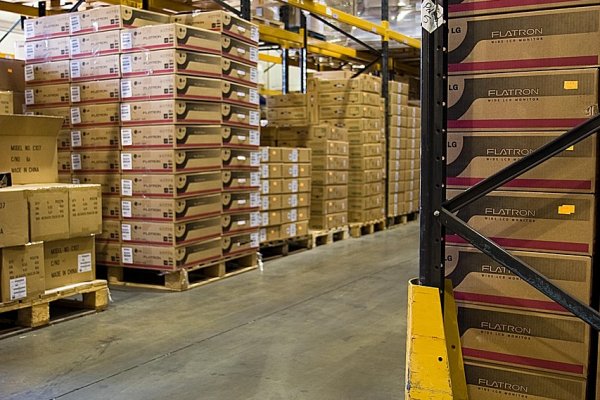
The Foundation of Modern Manufacturing Success
In today's rapidly evolving industrial landscape, manufacturing excellence has become more than just producing goods—it's about creating a seamless ecosystem where efficiency, quality, and strategic resource management converge. As global competition intensifies and consumer expectations rise, manufacturers face unprecedented pressure to optimize every aspect of their operations while maintaining profitability and sustainability.
The manufacturing sector continues to be the backbone of economic growth worldwide, contributing trillions of dollars to the global economy. However, success in this field requires mastering four critical pillars: operational efficiency, sophisticated inventory management, strategic import handling, and rigorous quality control. Companies that excel in these areas don't just survive—they dominate their markets and set industry standards.
Maximizing Operational Efficiency in Manufacturing
Operational efficiency represents the lifeblood of profitable manufacturing. It's the art and science of producing maximum output with minimum input, reducing waste, and streamlining processes to create a lean, agile production environment.
The Impact of Efficiency on Bottom-Line Results
Efficiency gains translate directly into competitive advantages. When manufacturers reduce production time by even 10-15%, they can significantly decrease labor costs, energy consumption, and equipment wear. This creates a ripple effect throughout the organization, freeing up resources for innovation, expansion, and market development.
Key strategies for enhancing manufacturing efficiency include:
- Implementing lean manufacturing principles to eliminate waste and non-value-adding activities
- Adopting automation and robotics for repetitive, high-volume tasks
- Utilizing real-time data analytics to identify bottlenecks and optimization opportunities
- Cross-training employees to increase workforce flexibility and reduce downtime
- Investing in preventive maintenance programs to minimize equipment failures
- Streamlining workflow layouts to reduce material handling and transportation time
Technology as an Efficiency Enabler
Modern manufacturing facilities increasingly rely on Industry 4.0 technologies to boost efficiency. Internet of Things (IoT) sensors monitor equipment performance in real-time, artificial intelligence predicts maintenance needs before failures occur, and machine learning algorithms optimize production schedules based on historical data and current conditions.
These technological investments may seem substantial initially, but they typically generate returns within 18-24 months through reduced downtime, improved throughput, and enhanced resource utilization. Companies that hesitate to embrace these innovations risk falling behind competitors who are already reaping the benefits.
Strategic Inventory Management: Balancing Supply and Demand
Effective inventory management represents one of the most challenging yet crucial aspects of manufacturing operations. Hold too much inventory, and capital becomes tied up in idle stock, storage costs escalate, and products risk obsolescence. Maintain too little, and production lines halt, customer orders go unfulfilled, and revenue opportunities vanish.
The Cost of Poor Inventory Management
Industry research indicates that inventory carrying costs typically range from 20-30% of inventory value annually. These costs include warehousing, insurance, depreciation, obsolescence, and opportunity costs of capital. For a manufacturer with $10 million in inventory, that represents $2-3 million in annual carrying costs—money that could be invested in growth initiatives instead.
Modern Inventory Management Approaches
Leading manufacturers have moved beyond traditional periodic inventory counts to embrace sophisticated, data-driven approaches:
- Just-In-Time (JIT) Inventory: This approach minimizes inventory levels by synchronizing material delivery with production schedules, reducing storage costs while maintaining production continuity.
- ABC Analysis: Categorizing inventory items by value and importance allows managers to focus attention on high-value items while streamlining management of less critical components.
- Vendor-Managed Inventory (VMI): Transferring inventory management responsibility to suppliers can reduce administrative burden and ensure optimal stock levels.
- Predictive Analytics: Using historical data, market trends, and machine learning to forecast demand with greater accuracy, enabling proactive inventory adjustments.
Integrating Inventory Systems with Production Planning
The most effective manufacturers integrate their inventory management systems with production planning, procurement, and sales forecasting. This holistic approach ensures that inventory levels align with actual business needs rather than outdated rules of thumb. Modern Enterprise Resource Planning (ERP) systems facilitate this integration, providing real-time visibility across the entire supply chain.
Navigating the Complex World of Manufacturing Imports
In our interconnected global economy, few manufacturers rely exclusively on domestic suppliers. Strategic imports enable access to specialized components, raw materials unavailable locally, and cost-effective alternatives that enhance competitiveness. However, managing imports introduces complexity that requires careful attention and expertise.
Strategic Benefits of Import Diversification
Diversifying the supply base through imports offers several compelling advantages. Manufacturers gain access to specialized expertise and technologies that may not exist in their home markets. They can often reduce material costs significantly while maintaining quality standards. Additionally, import diversification reduces vulnerability to local supply disruptions, creating a more resilient supply chain.
Managing Import-Related Challenges
Successfully managing imports requires navigating several critical challenges:
- Compliance and Regulations: Understanding customs requirements, tariffs, trade agreements, and documentation standards prevents costly delays and penalties
- Quality Assurance: Implementing pre-shipment inspections and quality verification protocols ensures imported materials meet specifications
- Lead Time Management: International shipping adds weeks or months to procurement cycles, requiring more sophisticated planning
- Currency Fluctuations: Exchange rate volatility can significantly impact costs, necessitating hedging strategies
- Communication Barriers: Time zones, language differences, and cultural nuances require dedicated relationship management
Building Resilient International Supply Chains
Recent global disruptions have highlighted the importance of supply chain resilience. Smart manufacturers maintain relationships with multiple suppliers across different geographic regions, create buffer stock for critical imported components, and continuously monitor geopolitical and economic conditions that might affect their import streams. This strategic redundancy costs more in the short term but provides invaluable insurance against disruptions.
Quality Control: The Non-Negotiable Standard
In manufacturing, quality isn't just a goal—it's the foundation upon which reputation, customer loyalty, and long-term profitability are built. A single quality failure can result in product recalls, legal liabilities, damaged brand reputation, and lost customers. Conversely, consistent quality creates competitive differentiation and justifies premium pricing.
Implementing Comprehensive Quality Systems
World-class manufacturers embed quality control throughout their operations rather than treating it as a final inspection step. This proactive approach identifies and corrects issues during production rather than discovering defects in finished goods.
Essential components of effective quality control systems include:
- Statistical Process Control (SPC) to monitor production variables in real-time
- Clearly defined quality standards and specifications for all materials and processes
- Regular calibration and maintenance of inspection equipment
- Documented procedures for handling non-conforming materials
- Root cause analysis protocols for investigating quality failures
- Continuous improvement programs that engage employees at all levels
Quality Standards and Certifications
Many manufacturers pursue internationally recognized quality certifications like ISO 9001, which demonstrates commitment to quality management systems. These certifications aren't just badges of honor—they're often prerequisites for doing business with major customers and entering new markets. The discipline required to achieve and maintain these certifications drives operational improvements that benefit the entire organization.
The Human Element in Quality Control
While technology plays an increasingly important role in quality assurance, the human element remains crucial. Employees who understand quality standards, feel empowered to stop production when issues arise, and contribute ideas for improvement become the first line of defense against defects. Creating a culture of quality where everyone takes personal responsibility for excellence generates results that technology alone cannot achieve.
Integrating the Four Pillars for Manufacturing Excellence
The true power of efficiency, inventory management, strategic imports, and quality control emerges when these elements work in harmony rather than in isolation. A highly efficient production line loses its advantage if quality suffers. Excellent quality control means little if poor inventory management causes production interruptions. Strategic imports create value only when supported by robust quality verification and efficient receiving processes.
Leading manufacturers recognize these interdependencies and design integrated systems where improvements in one area amplify benefits in others. They use data from quality control systems to inform efficiency initiatives, leverage efficiency gains to justify investments in better inventory management technology, and apply lessons from import management to strengthen domestic supplier relationships.
The Path Forward in Manufacturing
Manufacturing in the 21st century demands more sophistication, integration, and continuous improvement than ever before. Companies that master operational efficiency, strategic inventory management, smart import utilization, and uncompromising quality control position themselves not just to survive but to thrive in increasingly competitive global markets.
The journey toward manufacturing excellence is ongoing, requiring commitment from leadership, engagement from employees, and willingness to invest in systems, technology, and capabilities. However, the rewards—improved profitability, enhanced reputation, loyal customers, and sustainable competitive advantage—make this journey not just worthwhile but essential for long-term success.
As markets evolve and technologies advance, the specific tactics and tools will change, but these four fundamental pillars will remain central to manufacturing success, providing the framework within which innovation and excellence flourish.