The New Era of Manufacturing Excellence
The manufacturing landscape has undergone a dramatic transformation over the past decade, driven by technological innovation, environmental consciousness, regulatory pressures, and global trade dynamics. Today's manufacturers face the complex challenge of remaining competitive while simultaneously embracing automation, implementing sustainable practices, maintaining rigorous compliance standards, and navigating the intricacies of international imports. This convergence of priorities is reshaping how products are made, distributed, and consumed worldwide.
Understanding these four pillars of modern manufacturing isn't just important—it's essential for survival in an increasingly competitive global marketplace. Companies that successfully integrate these elements position themselves for long-term growth, operational efficiency, and market leadership.
Automation: The Backbone of Modern Production
The Rise of Smart Manufacturing
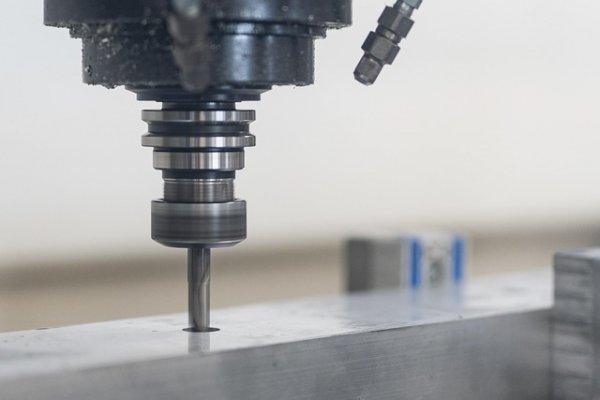
Manufacturing automation has evolved far beyond simple mechanization. Today's Industry 4.0 technologies incorporate artificial intelligence, machine learning, robotics, and the Internet of Things (IoT) to create intelligent, self-optimizing production systems. These technologies are revolutionizing factory floors across industries, from automotive to pharmaceuticals, electronics to food processing.
The benefits of manufacturing automation extend across multiple dimensions:
- Increased productivity: Automated systems operate 24/7 without fatigue, dramatically increasing output
- Enhanced precision: Robotic systems achieve consistency levels impossible for human workers
- Improved safety: Dangerous tasks can be delegated to machines, protecting human workers
- Cost reduction: Long-term operational costs decrease despite significant upfront investment
- Data-driven insights: Connected systems generate valuable analytics for continuous improvement
Implementing Automation Strategically
Successful automation isn't about replacing humans entirely—it's about augmenting human capabilities and freeing workers for higher-value tasks requiring creativity, problem-solving, and emotional intelligence. Forward-thinking manufacturers are creating hybrid environments where humans and machines collaborate seamlessly.
The implementation process requires careful planning, including workforce training, process redesign, and phased rollouts that minimize disruption. Companies must also consider scalability, ensuring their automation investments can grow with business needs and adapt to changing market demands.
Sustainability: Manufacturing's Environmental Imperative
Why Green Manufacturing Matters
Sustainability has transitioned from a nice-to-have corporate responsibility initiative to a fundamental business requirement. Consumers increasingly favor environmentally responsible brands, investors scrutinize environmental, social, and governance (ESG) metrics, and regulations worldwide are tightening around emissions and waste management.
Sustainable manufacturing encompasses multiple practices designed to minimize environmental impact while maintaining or improving profitability:
- Energy efficiency: Implementing renewable energy sources and optimizing energy consumption
- Waste reduction: Adopting circular economy principles and zero-waste production goals
- Water conservation: Developing closed-loop water systems and reducing water intensity
- Material selection: Choosing sustainable, recyclable, or biodegradable materials
- Carbon footprint reduction: Measuring and actively reducing greenhouse gas emissions
The Business Case for Sustainability
Far from being merely altruistic, sustainable manufacturing practices deliver tangible financial benefits. Energy-efficient operations reduce utility costs, waste reduction minimizes disposal expenses, and sustainable products often command premium pricing. Additionally, companies with strong sustainability credentials attract top talent, secure favorable financing terms, and build resilient supply chains less vulnerable to resource scarcity.
Leading manufacturers are discovering that automation and sustainability work synergistically. Automated systems optimize resource usage, reduce waste through precision manufacturing, and provide the data needed to identify further efficiency opportunities.
Compliance: Navigating the Regulatory Landscape
The Complexity of Manufacturing Regulations
Modern manufacturers operate within an increasingly complex web of regulations spanning quality standards, safety requirements, environmental protections, labor laws, and industry-specific mandates. Non-compliance carries severe consequences, including hefty fines, production shutdowns, reputational damage, and loss of market access.
Key compliance areas include:
- Product safety standards: ISO certifications, industry-specific quality requirements
- Environmental regulations: Emissions limits, waste disposal protocols, chemical handling
- Workplace safety: OSHA standards, protective equipment requirements, training mandates
- Data security: Protecting intellectual property and customer information
- Trade compliance: Export controls, tariff classifications, country-of-origin rules
Building a Compliance Culture
Effective compliance management requires more than checking regulatory boxes—it demands integrating compliance into organizational culture and daily operations. This includes implementing robust documentation systems, conducting regular audits, providing ongoing employee training, and designating clear accountability for compliance outcomes.
Technology plays an increasingly important role in compliance management. Compliance management software automates monitoring, documentation, and reporting processes, while blockchain technology offers unprecedented traceability for supply chain compliance verification.
Imports: Managing Global Supply Chains
The Strategic Role of Imports
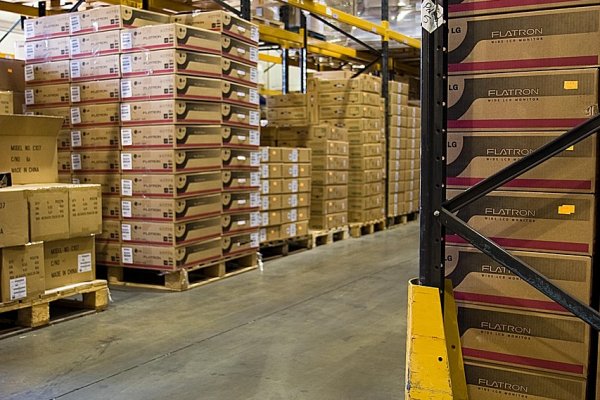
In today's interconnected economy, few manufacturers produce everything domestically. Strategic importing enables access to specialized components, cost-effective raw materials, and unique expertise unavailable locally. However, import operations introduce complexities around logistics, quality control, regulatory compliance, and geopolitical risk.
Successful import management requires attention to multiple factors:
- Supplier vetting: Thoroughly evaluating potential suppliers for quality, reliability, and ethical practices
- Customs compliance: Understanding tariff classifications, duty rates, and documentation requirements
- Quality assurance: Implementing inspection protocols to ensure imported goods meet specifications
- Logistics optimization: Balancing cost, speed, and reliability in transportation modes
- Risk mitigation: Developing contingency plans for supply disruptions and diversifying supplier base
Import Compliance and Sustainability Intersect
The intersection of imports, compliance, and sustainability creates unique challenges. Manufacturers must ensure imported materials meet environmental standards, verify suppliers follow ethical labor practices, and document sustainability credentials throughout the supply chain. Supply chain transparency has become critical, with customers and regulators demanding proof of responsible sourcing.
Trade regulations increasingly incorporate environmental considerations, with carbon border adjustments and sustainability-linked trade preferences emerging globally. Forward-thinking manufacturers are proactively addressing these trends, building sustainable import strategies that anticipate future regulatory requirements.
Integrating the Four Pillars for Competitive Advantage
Creating Synergies
The real power emerges when manufacturers strategically integrate automation, sustainability, compliance, and import management into a cohesive operational strategy. For example, automated quality control systems can verify that imported materials meet both compliance standards and sustainability criteria. Energy management systems can optimize power consumption while automatically generating compliance reports.
Digital technologies serve as enablers across all four areas. Enterprise resource planning (ERP) systems integrate data streams, providing real-time visibility into operations. Cloud-based platforms facilitate collaboration with international suppliers, while advanced analytics identify optimization opportunities spanning automation, sustainability, and logistics.
Future-Proofing Manufacturing Operations
The manufacturers that will thrive in coming decades are those building adaptive, resilient operations today. This means investing in flexible automation systems that can accommodate product variations, developing diverse supplier networks that reduce import vulnerabilities, embedding compliance into automated workflows, and pursuing ambitious sustainability goals that anticipate tightening regulations.
The journey requires commitment, investment, and cultural change—but the rewards are substantial. Companies that master these four pillars enjoy lower operating costs, enhanced brand reputation, reduced regulatory risk, and the agility to capitalize on emerging opportunities in dynamic global markets.
Conclusion: The Path Forward
Manufacturing's evolution continues accelerating, driven by technological innovation, environmental imperatives, regulatory developments, and global economic integration. Success requires moving beyond viewing automation, sustainability, compliance, and imports as separate challenges and instead recognizing them as interconnected elements of holistic operational excellence.
Manufacturers who embrace this integrated approach position themselves not merely to survive but to lead in their industries, creating value for stakeholders while contributing to a more sustainable, efficient, and prosperous global economy. The future of manufacturing belongs to those who act decisively today to build the capabilities that tomorrow demands.