

The Modern Landscape of Fulfilment Operations
In today's interconnected global marketplace, fulfilment has evolved far beyond simply storing products and shipping orders. Modern fulfilment operations represent a complex ecosystem where regulatory compliance, international imports, sophisticated transportation networks, and highly trained workforces converge to deliver seamless customer experiences. As e-commerce continues its exponential growth and consumer expectations reach unprecedented heights, businesses must master these interconnected elements to remain competitive and profitable.
The fulfilment industry now handles billions of parcels annually, with operations spanning continents and touching countless regulatory jurisdictions. Success in this environment requires not just operational efficiency, but a comprehensive understanding of how compliance frameworks, import regulations, transportation logistics, and human capital development work together to create a resilient supply chain. Companies that excel in these areas position themselves to capture market share, reduce costs, and build customer loyalty in an increasingly demanding marketplace.
Navigating the Complex World of Compliance in Fulfilment
Compliance has become the cornerstone of sustainable fulfilment operations, touching every aspect from product storage to final delivery. Regulatory adherence is no longer optional—it's a fundamental business requirement that protects companies from legal consequences, financial penalties, and reputational damage.
Understanding Multi-Layered Compliance Requirements
Fulfilment centres must navigate an intricate web of regulations spanning multiple categories:
- Product Safety Standards: Ensuring all stored and distributed products meet safety certifications and regulatory requirements specific to their categories, from consumer electronics to food products
- Data Protection Regulations: Safeguarding customer information in accordance with GDPR, CCPA, and other privacy frameworks that govern how personal data is collected, stored, and processed
- Environmental Compliance: Adhering to waste management protocols, emissions standards, and sustainability requirements that vary by jurisdiction
- Labour Regulations: Maintaining workplace safety standards, fair employment practices, and proper documentation for all workforce activities
- Quality Assurance Protocols: Implementing systematic checks and balances to ensure product integrity throughout the fulfilment cycle
Building a Compliance-First Culture
Successful fulfilment operations embed compliance into their organizational DNA rather than treating it as an afterthought. This requires dedicated compliance teams, regular audits, comprehensive documentation systems, and technology solutions that automate compliance tracking. Investment in compliance management software enables real-time monitoring of regulatory changes, automatic updates to operational procedures, and complete traceability of all fulfilment activities.
Furthermore, compliance extends to vendor relationships and third-party partnerships. Due diligence processes must verify that suppliers, carriers, and service providers maintain equivalent compliance standards, creating an end-to-end chain of accountability that protects all stakeholders.
Mastering International Imports for Fulfilment Success
As businesses expand their product offerings and source inventory globally, import management has become a critical fulfilment competency. The ability to efficiently navigate international trade regulations directly impacts inventory availability, cost structures, and ultimately customer satisfaction.
Strategic Import Planning and Execution
Effective import management begins long before goods arrive at the fulfilment centre. Strategic planning encompasses:
- Supplier Qualification: Vetting international suppliers for reliability, quality standards, and compliance with export regulations in their countries of origin
- Harmonized System Classification: Properly classifying products using HS codes to determine correct duties, taxes, and import requirements
- Documentation Management: Preparing and maintaining accurate commercial invoices, packing lists, certificates of origin, and compliance declarations
- Customs Brokerage Relationships: Partnering with experienced customs brokers who understand regulatory nuances and can facilitate smooth clearance
- Duty Optimization: Leveraging trade agreements, free trade zones, and duty drawback programs to minimize import costs
Technology-Enabled Import Visibility
Modern fulfilment operations utilize advanced tracking systems that provide real-time visibility into import shipments from factory floor to warehouse floor. These platforms integrate with customs systems, providing automated notifications about clearance status, potential delays, and required interventions. This visibility enables proactive inventory management, accurate customer communication, and rapid response to import disruptions.
Additionally, predictive analytics help fulfilment operators anticipate import challenges, from seasonal customs delays to regulatory changes that might affect product admissibility. This foresight allows businesses to adjust procurement strategies, diversify sourcing, and maintain inventory buffers that prevent stockouts.
Transportation: The Circulatory System of Fulfilment
Transportation represents the critical link connecting suppliers, fulfilment centres, and end customers. Optimization of transportation networks directly impacts delivery speed, cost efficiency, and environmental sustainability—all factors that influence competitive positioning.
Multi-Modal Transportation Strategies
Sophisticated fulfilment operations leverage multiple transportation modes to balance speed, cost, and reliability:
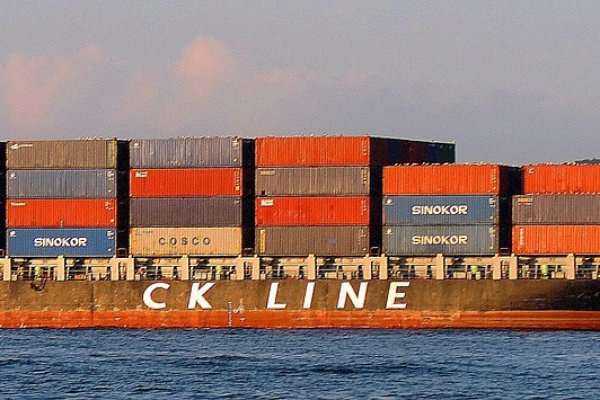
- Ocean Freight: Cost-effective for large-volume imports, requiring careful planning to account for longer transit times
- Air Freight: Premium option for high-value, time-sensitive products that justify higher transportation costs
- Rail Transport: Emerging middle-ground option offering better speed than ocean freight at lower costs than air
- Ground Transportation: Essential for final-mile delivery and regional distribution between fulfilment nodes
- Parcel Carriers: Diverse options from premium overnight services to economical deferred delivery
Last-Mile Innovation and Optimization
The final delivery segment—known as the last mile—represents both the most expensive transportation component and the most visible to customers. Innovative fulfilment operations are revolutionizing this space through route optimization software, micro-fulfilment centres in urban areas, alternative delivery points, and emerging technologies like autonomous vehicles and drone delivery.
Successful last-mile strategies balance customer preferences with operational efficiency. Options like scheduled deliveries, secure locker systems, and flexible pickup locations provide convenience while consolidating delivery stops to reduce costs and environmental impact.
Workforce Training: The Human Element of Fulfilment Excellence
Despite increasing automation, human expertise remains irreplaceable in fulfilment operations. From complex problem-solving to quality control and customer service, skilled workers drive operational excellence and continuous improvement.
Comprehensive Onboarding and Skills Development
World-class fulfilment centres invest heavily in structured training programs that extend far beyond basic task orientation:
- Safety Training: Comprehensive instruction on equipment operation, ergonomics, emergency procedures, and hazard recognition to create injury-free workplaces
- Technology Proficiency: Training on warehouse management systems, scanning devices, automation interfaces, and data entry platforms
- Quality Standards: Education on product handling requirements, inspection procedures, and documentation protocols
- Compliance Awareness: Regular updates on regulatory requirements, privacy obligations, and proper reporting procedures
- Process Optimization: Empowering workers to identify inefficiencies and contribute improvement ideas
Career Development and Retention Strategies
The most successful fulfilment operations recognize that workforce stability reduces costs, improves quality, and enhances institutional knowledge. Progressive career pathways allow entry-level workers to advance into specialized roles, team leadership, or technical positions. Cross-training programs develop versatile employees who can adapt to demand fluctuations and operational changes.
Investment in continuous education—including certifications in logistics, supply chain management, and specialized compliance areas—demonstrates commitment to employee development while building organizational capability. Mentorship programs pair experienced workers with newcomers, transferring tacit knowledge that cannot be captured in procedural documents.
Integration: Where All Elements Converge
The true power of modern fulfilment emerges when compliance, imports, transportation, and workforce training function as an integrated system rather than isolated departments. Cross-functional collaboration enables proactive problem-solving and continuous improvement.
For example, compliance teams work with import specialists to ensure products meet all regulatory requirements before shipment. Transportation planners coordinate with workforce managers to align staffing levels with inbound receiving schedules. Training programs incorporate compliance requirements, import procedures, and transportation protocols into comprehensive curricula that develop well-rounded fulfilment professionals.
Technology as the Integration Enabler
Advanced warehouse management systems and enterprise resource planning platforms serve as the technological backbone connecting these operational elements. Real-time data flows between systems, enabling coordinated decision-making and providing visibility across the entire fulfilment ecosystem. Artificial intelligence and machine learning algorithms identify patterns, predict challenges, and recommend optimizations that human operators might miss.
Looking Forward: The Future of Fulfilment
As customer expectations continue evolving and global commerce becomes increasingly complex, fulfilment operations must remain agile and innovative. Emerging technologies like blockchain for compliance documentation, autonomous vehicles for transportation, and augmented reality for workforce training will reshape the industry landscape.
However, success will continue to depend on fundamentals: rigorous compliance practices, sophisticated import management, optimized transportation networks, and highly trained workforces. Companies that master these interconnected elements while embracing innovation will thrive in the dynamic fulfilment marketplace, delivering exceptional customer experiences while maintaining operational excellence and regulatory adherence.
The journey toward fulfilment excellence is continuous, requiring ongoing investment, adaptation, and commitment. Organizations that recognize fulfilment as a strategic advantage rather than a cost centre position themselves for sustainable growth in an increasingly competitive global marketplace.


