

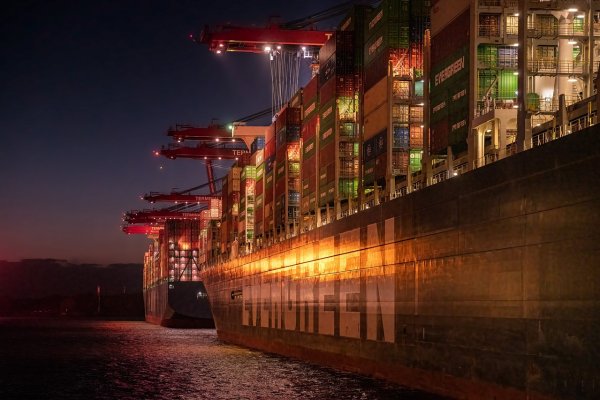
The Evolution of Modern Fulfillment Operations
In today's fast-paced e-commerce landscape, fulfillment has become the backbone of successful retail operations. The journey from a customer clicking "buy now" to receiving their package involves a complex orchestration of technology, logistics, and strategic planning. As consumer expectations continue to rise—with demands for faster delivery, accurate orders, and transparent tracking—businesses must leverage cutting-edge solutions to remain competitive.
The modern fulfillment ecosystem relies on four critical pillars: sophisticated warehouse management systems (WMS), intelligent transportation networks, strategic sourcing and shipping from China, and advanced automation technologies. Together, these elements create a seamless operation that can handle everything from inventory management to last-mile delivery with unprecedented efficiency.
Warehouse Management Systems: The Digital Brain of Fulfillment
A Warehouse Management System serves as the central nervous system of any fulfillment operation, coordinating every movement, transaction, and decision within the warehouse environment. These sophisticated software platforms have evolved far beyond simple inventory tracking tools into comprehensive solutions that optimize every aspect of warehouse operations.
Core Functions of Modern WMS Technology
Today's WMS platforms provide a comprehensive suite of capabilities that transform warehouse efficiency:
- Real-time inventory visibility: Track stock levels across multiple locations with pinpoint accuracy
- Intelligent order routing: Automatically direct orders to the optimal fulfillment location based on inventory, proximity, and shipping costs
- Pick path optimization: Calculate the most efficient routes for warehouse staff to minimize travel time
- Automated replenishment: Trigger restocking orders based on predetermined thresholds and demand forecasting
- Quality control integration: Build inspection checkpoints into the fulfillment workflow
- Returns management: Streamline reverse logistics with dedicated workflows for processing returns
Integration Capabilities and Ecosystem Connectivity
Modern WMS solutions don't operate in isolation. They serve as the hub connecting various systems throughout the supply chain. Seamless integration with e-commerce platforms, transportation management systems, and enterprise resource planning (ERP) software ensures data flows freely across the organization. This connectivity eliminates manual data entry, reduces errors, and provides stakeholders with real-time visibility into operations from procurement through delivery.
Transportation: The Lifeline Connecting Warehouses to Customers
Transportation represents the critical link between fulfillment centers and end customers. An effective transportation strategy balances speed, cost, and reliability while adapting to dynamic conditions like weather disruptions, capacity constraints, and seasonal demand fluctuations.
Multi-Modal Transportation Strategies
Successful fulfillment operations leverage multiple transportation modes to optimize their supply chain:
- Ocean freight: Cost-effective for large volume shipments, particularly when importing from manufacturing hubs
- Air cargo: Premium option for time-sensitive or high-value goods requiring expedited delivery
- Rail transport: Efficient middle-ground for continental shipments balancing cost and speed
- Trucking and parcel delivery: Essential for last-mile delivery and regional distribution
Transportation Management Systems (TMS)
A Transportation Management System works in tandem with WMS to optimize shipping operations. These platforms provide carrier selection algorithms, rate shopping, shipment tracking, and freight audit capabilities. By analyzing historical data and current market conditions, TMS solutions can reduce transportation costs by 10-15% while improving delivery performance.
Shipping from China: Navigating the World's Manufacturing Powerhouse
China remains the dominant force in global manufacturing and e-commerce fulfillment. Understanding how to effectively source and ship products from China has become essential knowledge for businesses of all sizes seeking competitive advantages in product costs and access to manufacturing capabilities.
The China Fulfillment Advantage
Several factors make China a central player in global fulfillment strategies:
- Manufacturing ecosystem: Unparalleled concentration of factories, suppliers, and production expertise
- Cost competitiveness: Lower production costs enabling better margins or more competitive pricing
- Infrastructure investment: Modern ports, airports, and logistics facilities designed for export
- E-commerce integration: Sophisticated fulfillment networks serving both domestic and international markets
Shipping Methods and Timelines from China
Businesses shipping from China must navigate various options, each with distinct cost and timeline implications:
- Express shipping (3-7 days): Premium air freight services from providers like DHL, FedEx, and UPS for urgent shipments
- Standard air freight (7-15 days): More economical air options balancing speed and cost
- Ocean freight (20-45 days): Most cost-effective for large volumes, with options for full container loads (FCL) or less-than-container loads (LCL)
- Railway options (15-25 days): Emerging alternative for shipments to Europe via the Belt and Road Initiative routes
Challenges and Considerations
While shipping from China offers numerous advantages, businesses must address several challenges:
Customs compliance requires meticulous attention to documentation, duty calculations, and regulatory requirements. Quality control becomes more complex when sourcing from distant suppliers, necessitating robust inspection protocols. Communication barriers related to time zones, language, and business culture require careful management. Additionally, longer supply chains increase inventory requirements and complicate demand forecasting.
Successful China-based fulfillment strategies often involve partnering with experienced freight forwarders or third-party logistics providers (3PLs) who specialize in cross-border operations and can navigate these complexities.
Automation: The Future of Fulfillment Efficiency
Automation represents the most transformative force reshaping fulfillment operations today. From robotic systems to artificial intelligence, automation technologies are dramatically improving speed, accuracy, and scalability while addressing persistent labor challenges.
Types of Fulfillment Automation
Modern warehouses can implement automation at various levels:
- Autonomous mobile robots (AMRs): Self-navigating robots that transport inventory within warehouses, reducing walking time for human workers
- Automated storage and retrieval systems (AS/RS): High-density storage solutions with robotic mechanisms that deliver products to picking stations
- Robotic picking systems: Advanced robots equipped with computer vision and gripper technology to select individual items
- Automated sorting systems: Conveyor-based systems that route packages to appropriate destinations without manual intervention
- Packaging automation: Machines that automatically size boxes, apply cushioning, seal packages, and print labels
- Drone technology: Emerging solutions for inventory scanning and potentially last-mile delivery
The ROI of Automation Investment
While automation requires significant upfront investment, the returns can be substantial. Labor productivity typically increases by 200-300% in automated facilities. Accuracy improvements reduce costly returns and customer service issues, with error rates often dropping below 0.1%. Space utilization improves dramatically, with automated storage systems achieving 40-50% better density than traditional racking.
Perhaps most importantly, automation provides scalability to handle peak season demand without massive temporary hiring, training, and supervision efforts.
Human-Robot Collaboration
The most effective automation strategies don't eliminate human workers but rather augment their capabilities. Collaborative robots (cobots) work alongside people, handling repetitive or physically demanding tasks while humans focus on problem-solving, quality control, and exception handling. This hybrid approach combines the efficiency and consistency of automation with human flexibility and judgment.
Integrating the Four Pillars: A Holistic Fulfillment Strategy
The true power of modern fulfillment emerges when WMS, transportation, China sourcing, and automation work together synergistically. A sophisticated WMS orchestrates automated systems while optimizing transportation decisions based on real-time inventory data across global locations.
For example, an integrated system might automatically route an order to a China-based fulfillment center for direct shipment to the customer, selecting the optimal carrier based on destination, service requirements, and current rates—all without human intervention. This seamless integration reduces order-to-delivery time, lowers costs, and improves customer satisfaction.
Looking Forward: The Next Generation of Fulfillment
The fulfillment industry continues to evolve rapidly. Emerging technologies like artificial intelligence and machine learning are enabling predictive analytics that anticipate demand, optimize inventory positioning, and prevent disruptions before they occur. Sustainability initiatives are driving innovations in packaging, transportation, and energy consumption.
Businesses that embrace these integrated fulfillment strategies—leveraging advanced WMS platforms, optimizing transportation networks, strategically utilizing China's manufacturing ecosystem, and implementing appropriate automation—will be best positioned to meet rising customer expectations while maintaining healthy margins in an increasingly competitive marketplace.
The future of fulfillment is here, and it's more connected, intelligent, and efficient than ever before.


